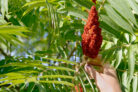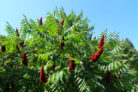
In the garden, the Staghorn Sumac can quickly turn from a beauty into a bit of a beast because of how aggressively it spreads. But let’s be honest—that spectacular fall foliage is hard to resist! This leaves many of us wondering: can you actually grow this ornamental shrub in a container?
Container Gardening: Yes or No?
If you ask around about growing the Staghorn Sumac (*Rhus typhina*) in a pot, you’ll get a few different answers. Some gardeners think it’ll only last a few years before outgrowing its home, while others swear that with the right setup, it can thrive in a container long-term.
What You Need for Success
When you look at the “cons,” they aren’t actually dealbreakers—in fact, some of the plant’s quirks are easier to manage in a pot! As long as you check a few boxes, there’s no reason you can’t enjoy a potted sumac. Here’s what you need to consider:
- The right pot
- Location and soil
- Proper care
Choosing the Right Pot
Since the Staghorn Sumac loves to spread via underground runners, you shouldn’t try to cram it into a tiny space. Give it some room to breathe! Even in its early years, you’ll want a container that holds at least 2.5 to 3 gallons (about 10 liters) when planting. Most importantly, make sure the pot has drainage holes—this plant absolutely hates “wet feet.”
One pro tip: avoid clay or ceramic pots. The root system of a sumac is surprisingly powerful and can actually crack or burst these materials as it grows. It won’t hurt the plant, but it’ll definitely ruin your favorite expensive planter! Stick with heavy-duty plastic or resin instead.
Location and Soil
Just like its cousins in the wild, a potted sumac needs a spot in full sun to really be happy. Plus, the more sun it gets, the more intense those fiery autumn colors will be.
When it comes to soil, this shrub isn’t a diva. Any standard potting mix will do, as long as it drains well.
Proper Care
When they’re in the ground, sumacs have massive root systems that hunt down their own food and water. In a pot, they’re relying entirely on you.
** Watering
Try to keep the soil consistently moist but not soggy. Always empty any excess water from the saucer after a good soak, as standing water leads to root rot. Adding a layer of gravel or clay pebbles at the bottom of the pot for drainage is a smart move.
** Fertilizing
You don’t need to go overboard here. Feeding your sumac once a year in the spring is plenty. Great options include:
- Compost
- Nettle tea
- Well-aged manure