Every green plant needs a little sunshine—or at least some light—to survive. That’s why you can’t expect parsley to thrive in a dark corner of your basement. But how much direct sun can this herb actually handle before that summer heat starts to do more harm than good?
Plenty of Light, Not Too Much Sun
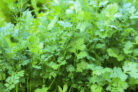
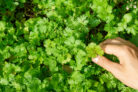
In your garden, parsley doesn’t just want nutrient-rich, well-draining soil; it also craves plenty of light. Now, we all know light comes from the sun, but wanting light doesn’t mean parsley loves baking in the heat. In fact, this herb is a bit shy when it comes to intense rays. The sweet spot is a partially shaded area that stays protected from that harsh midday sun.
Giving Your Parsley Some Shade
So, what do you do if your garden is a total sun trap or you’ve already filled your shady spots with other plants? Since parsley stays pretty low to the ground, you can easily find a “plant neighbor” to provide some natural shade. Just make sure they don’t hog all the light! Stick to plants that play well with parsley in a companion planting setup. Swiss chard, borage, or tomatoes are all great choices.
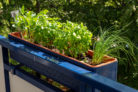
You can also block out the midday sun with a small decorative fence. If you’re growing parsley on a balcony, a simple patio umbrella or a sun sail works wonders to keep things cool.
Growing Green on the Windowsill
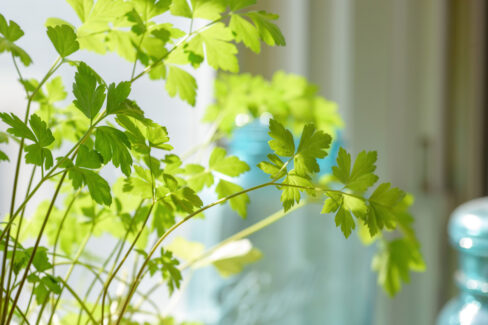
You don’t need a backyard to have fresh parsley on hand; a windowsill works just fine! It’s usually a great spot because it offers plenty of light, but not every window is created equal. Try to avoid south- or west-facing windows where the midday sun hits directly. Window glass can actually act like a magnifying glass, intensifying the heat. If that’s your only option, just move the pot a bit further back into the room so the sun doesn’t hit the leaves directly.
Quick Tip:
If your windowsill is too sunny, try hanging some sheer cafe curtains. They’ll filter out the harshest rays while still letting in plenty of bright, indirect light.
Even Seeds Prefer the Dark
Parsley seeds aren’t light-germinating; they are actually “dark germinators.” When you sow them, make sure to cover them with about half an inch (1–1.5 cm) of soil. If you space them out well from the start, they can grow right where you planted them. Just be sure to pick a spot that won’t be blasted by the noon sun later on.
Signs of Sunburn
If your parsley is getting too much sun, it’ll let you know. Keep an eye out for these red flags:
- Drooping or wilting leaves
- White spots on the foliage
- Stunted or weak growth
- Soil that is (constantly) bone dry
A Heads-Up:
Parsley isn’t usually the best fit for traditional Mediterranean herb gardens or herb spirals. Most of those herbs crave full sun, while parsley prefers things a bit cooler. Plus, don’t forget that parsley shouldn’t be planted in the same spot year after year—crop rotation is key!