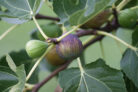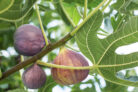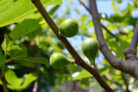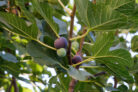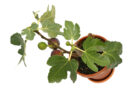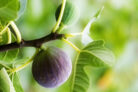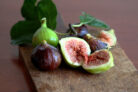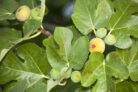
Where you decide to plant your fig tree—or where you park your patio containers—can make or break your harvest and the overall health of the plant. While figs are surprisingly tough and can handle some extreme conditions, there are definitely a few spots they’ll hate. Here’s how to find the “sweet spot” for your tree.
Soak Up the Sun
We aren’t 100% sure where figs originally came from, but most experts point to the Mediterranean. Today, they’re grown all over the world in warm, sunny climates. In those native regions, you’ll also find the specific insects needed for pollination. The flowering and pollination process of a fig is actually one of the coolest things in botany because it relies entirely on the tiny fig wasp.
During the summer, a fig tree can’t get enough heat and light. If you’re planting in the ground, look for a south-facing spot, ideally near a wall. This gives your tree a “double dose” of warmth: it gets direct sunlight all day, and the wall radiates heat back to the plant long after the sun goes down.
Keep it Cozy (and Out of the Wind)
Figs are definitely not fans of drafty, windy spots. Even in their natural habitats, constant wind usually leads to fewer flowers and a smaller harvest. Beyond wind protection, it’s a huge plus if you can shield your fig from heavy, non-stop rain. Keeping the leaves too wet for too long is an open invitation for diseases like fig rust.
Just the Right Amount of Water
While a mature fig tree can handle a dry spell like a pro, they really prefer soil that stays consistently moist. The big “no-no” here is standing water. Whether you’re planting in a pot or in the backyard, make sure you have great drainage to prevent root rot.
Here’s a pro tip for watering: figs like their water at room temperature. Even in the heat of summer, try to avoid spraying them directly with ice-cold water straight from the hose. Instead, fill up a watering can and let it sit near the tree for a few hours so the water can warm up before you give the roots a drink.
Rich, Healthy Soil
If you’re planting in the ground, make sure the soil is packed with nutrients. Figs need a rich, well-draining substrate to really thrive. I always recommend mixing some high-quality compost into your garden soil. If you’re going the container route, a good potting mix or vegetable soil works great.
Keep in mind that even the best soil runs out of “fuel” eventually. To get a big crop of fruit, regularly fertilizing your figs is a must. I love using an organic liquid fertilizer—it gives the tree exactly what it needs to produce those beautiful flowers and sweet fruits.