If your spicy basil plant is starting to look a little yellow, don’t panic! Usually, it’s just a sign that something in its care routine is a bit off. Let’s brush up on what this herb actually needs so you can spot the problem and fix it fast.
Why Store-Bought Basil Turns Yellow
We’ve all been there: you buy a lush basil plant at the grocery store, and a few days later, it’s turning yellow. This usually happens because the plant is going through a major case of “culture shock.” In the greenhouse where it was raised, conditions were perfect. Then, it gets squeezed into a plastic sleeve for transport. While that plastic protects it from cold drafts, it also traps moisture, which can lead to rot and yellowing leaves. Plus, the journey is dark, and the grocery store shelf is often too cold and dim.
Once you get it home, things usually look up—it’s warmer and brighter. However, moving too fast can stress the plant out. Basil needs a little time to adjust to its new home.
Here’s how to help it acclimate:
- Right after buying, place your basil in a warm spot with partial shade (don’t blast it with direct sun immediately).
- Don’t rip the plastic sleeve off all at once. Slide it down a little bit each day to let the plant breathe.
- Check the soil moisture with your finger and water only when needed.
- Keep the temperature around 70°F (20°C) or higher.
Causes and Fixes for Yellow Leaves
Older basil plants naturally start to yellow over time. If your plant is looking a bit tired, a little fertilizer or repotting can work wonders. You can also try a “rejuvenation cure” by giving it a heavy prune . That said, sometimes it’s best to just start fresh. Take some cuttings to grow new plants, and then say goodbye to the old one.
Getting the Care Right
When basil starts to flower, the leaves often turn yellow because the plant is putting all its energy into seeds. To prevent this, make sure you are harvesting correctly or pinching off those flower buds as soon as they appear. For those beautiful, deep green leaves we all love, keep the water consistent and fertilize regularly. Basil is happiest when it has plenty of light and stays around 70°F. If you meet its needs, it’ll reward you with a long life and plenty of pesto!
Yellow Leaves Outdoors
If your outdoor basil is turning yellow, the culprit is usually the temperature or too much intense, direct sun. Basil can handle a brief dip to 60°F (15°C), but once it hits 50°F (10°C), it stops growing entirely. The leaves will yellow, and the plant will eventually give up. If it gets too chilly outside, try moving it into a pot so it can overwinter indoors. This way, you can have fresh basil all year round!
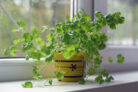
Quick Tip: Basil loves consistency. Keep it somewhere in your kitchen where you’ll see it every day. That way, you can catch any yellow leaves early and fix the problem before it spreads!