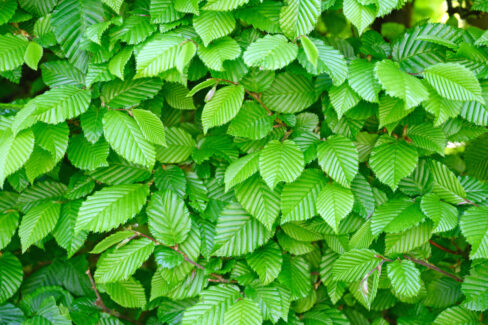
At first glance, these two trees look so similar that people mix them up all the time. But honestly, you don’t need a magnifying glass to tell them apart! Once you know what to look for, the European Beech and the Hornbeam are actually quite different.
Family Tree
The “true” Beech (*Fagus sylvatica*), often called the Copper Beech or European Beech, belongs to the Fagaceae family. On the other hand, the Hornbeam is actually a member of the Birch family (*Betulaceae*).
Size and Growth
If these two were basketball players, the Beech would be the star center. In the right spot, a Beech can tower up to 150 feet (45 meters). The Hornbeam is more of a point guard, usually topping out around 80 feet (25 meters). In the wild, they actually make great neighbors. See, the Beech has very thin bark and is prone to “sunburn.” When the shorter Hornbeam grows nearby, it provides much-needed shade, allowing the Beech trunk to grow taller and straighter before branching out into a canopy.
The Trunk
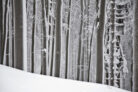
When they’re youngsters, it’s hard to tell their trunks apart—both are thin, dark green, and smooth. But as they get older, their personalities really show. A Beech tree develops that iconic smooth, silvery-gray bark that stays sleek even in old age. The Hornbeam, however, turns brownish and develops a thicker, fissured texture.
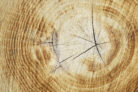
There’s also a hidden difference inside the wood. Beech wood has a slightly reddish tint, while Hornbeam wood is nearly white and incredibly hard (which is why it’s sometimes called “Ironwood” or “White Beech”).
Leaves
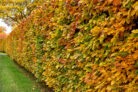
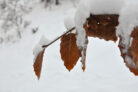
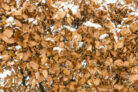
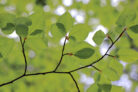
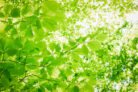
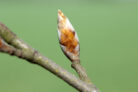
The leaves look similar at a distance, but look closer! Hornbeam leaves have much deeper ridges (veins) and a sharply “toothed” or serrated edge. In the fall, they turn a beautiful golden yellow and drop before winter hits. Beech leaves turn a warm orange-red in autumn and—here’s the cool part—the dried leaves often cling to the branches all the way until spring.
Fruit and Seeds
If you see seeds on the tree, the mystery is solved instantly:
- Hornbeam seeds are green and grow in hanging clusters.
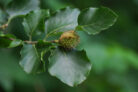
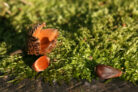
- Beech seeds (known as beechnuts) are brown, triangular, and usually grow individually or in pairs inside a prickly husk.
Quick Tip:
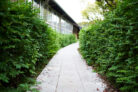
Unlike Hornbeam seeds, beechnuts are slightly toxic if eaten raw. If you have little ones playing in the yard, a Hornbeam hedge is usually the safer, kid-friendly choice!
Location and Soil
In the wild, you’ll find these trees in different neighborhoods based on what they like to eat. The Hornbeam is pretty low-maintenance; it’s happy in sandy soil and doesn’t mind the shade. The Beech is a bit more high-maintenance—it demands plenty of sun, loose soil that stays slightly moist, and lots of nutrients to reach those massive heights.