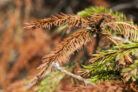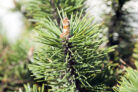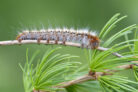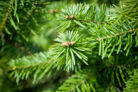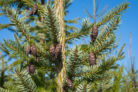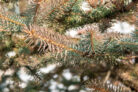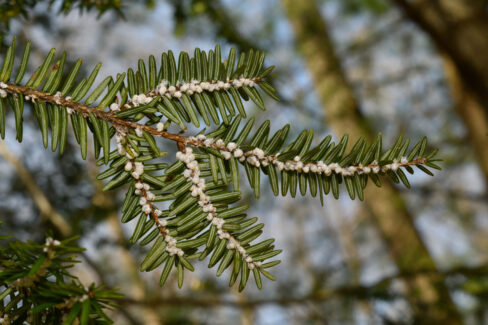
Conifers and evergreens are generally pretty tough customers, but they aren’t totally invincible when it comes to pests and diseases. Some critters actually have a “sweet tooth” for needle-bearing trees. While a few bugs won’t kill your tree overnight, you definitely want to act fast to keep your backyard greenery healthy and vibrant.
Telltale Signs of a Pest Problem
Every pest has its own “calling card,” but there are some general red flags that should tell you something is wrong. If you notice any of these, your tree might be dealing with a pest or a disease:
- Deformed needles or twisted branches
- Brown discoloration
- Dropping needles
- Strange cone-like growths or swellings on the shoots
- White, sticky webbing on the branches
- Discolored bark or patches of bark peeling away
- Tiny holes in the twigs, bark, or foliage
The Usual Suspects
When it comes to conifers, there are a few common troublemakers you’re likely to run into:
- Aphids and scale insects
- Leaf miners (specifically needle miners)
- Spider mites
- Bark beetles
Dealing with Aphids and Scale
There are several types of these sap-suckers, including aphids, scale, and mealybugs. They all have one thing in common: they excrete a sticky substance called “honeydew.” If you see ants crawling all over your tree or notice a black, sooty mold forming, you’ve likely got a sap-sucker infestation.
The Trouble with Needle Miners
Needle miners are actually small moths that lay their eggs on or in the tree. Once the larvae hatch, they tunnel into the needles or wood to feed. You’ll usually spot their handiwork by looking for tiny exit holes in the bark or hollowed-out needles.
Spotting Spider Mites
Spider mites are tiny, but they leave a big mess. You’ll know they’ve moved in if you see fine, white webbing that looks a lot like spider webs between the needles. Over time, these pests cause the needles to change color and eventually fall off.
The Dreaded Bark Beetle
Bark beetles love hot, dry weather—it’s their favorite time to spread. You can spot them by looking for tiny “shot holes” in the branches where they’ve bored into the wood. The tricky part is that you often don’t notice them until the damage is pretty far along. Because they spread so fast, sometimes the only way to save the rest of your garden is to unfortunately cut the tree down.
Pruning for Pest Control
The good news is that many pests and diseases can be managed with a good, heavy pruning. Cut back the affected branches until you hit healthy, green wood. Just a pro-tip: never throw those infested clippings in your compost pile! You don’t want those bugs or fungi hitching a ride back into your garden later. Toss them in the trash or burn them instead.