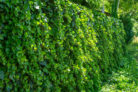
Most gardeners know their way around a compost bin. We know which plants are “heavy feeders” and exactly which kitchen scraps belong in the pile. But when it comes to English Ivy, things get a little tricky. This hardy climber needs a bit of special treatment before you toss it in with your vegetable scraps.
Compost as a Nutrient Boost
Let’s talk about that “black gold” we all love. Most garden plants thrive on a good dose of organic, homemade compost in the spring. Some even want a second helping later in the year! But ivy is a different breed. Honestly, you don’t really need to fertilize ivy to make it look great. In fact, adding nutrients might actually backfire by making it grow *too* fast, leaving you with the chore of pruning it back way more often than you’d like!
The only time I’d recommend adding compost is if your soil is super sandy or “lean” when you’re first planting, or if the ground has become completely depleted after many years.
Why Ivy Can Be a Compost Nightmare
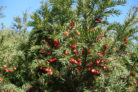
As any seasoned gardener knows, if your ivy is suffering from a disease or an infestation of pests like aphids or spider mites, it stays far away from the compost pile. But here’s the kicker: even healthy ivy clippings can cause trouble. If the vines have berries with ripe seeds or intact aerial roots, they can actually survive the composting process. Instead of breaking down, they might just start growing again right inside your bin!
How to Safely Compost “Safe” Vines
You can compost ivy vines as long as they don’t have seeds or those sticky attachment roots. Even then, I’d follow these steps to be safe:
- Let the vines dry out for a few days first.
- Spread them out on a sunny patio or stone pavers to “bake.”
- Only toss them in the bin once they’re crispy.
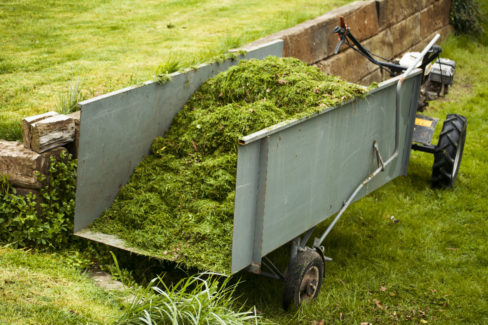
- Cover them immediately with a thick layer of other green waste, like grass clippings.
Should You Shred It?
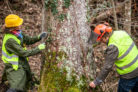
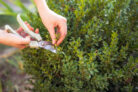
Be careful here—even tiny pieces of ivy can sprout new life in a compost pile. Plus, shredding ivy releases small particles into the air. Since ivy is toxic, you really don’t want to breathe that in. If you decide to shred it, make sure you’re wearing long sleeves, gloves, safety goggles, and a dust mask. Once shredded, let the bits dry out for a few days; then, you can use them as mulch under established trees and shrubs.
When in Doubt, Throw It Out
If your ivy has berries, your best bet is to dispose of it entirely. Honestly, for most ivy trimmings, the green waste bin or your household trash is the safest route to prevent an accidental ivy takeover. If you have a massive amount, take it to your local municipal green waste center.
Pro Tip:
If you actually want more of this versatile plant, healthy clippings are perfect for propagating your own cuttings!