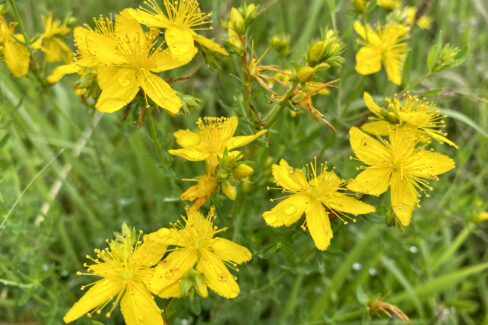
To get the most out of St. John’s Wort’s healing powers, you’ve got to catch it right when it’s blooming. Once those bright yellow flowers start popping up one after another, it’s go-time—the harvest window only lasts a few weeks! I’ve put together the details you need so you don’t miss out on this summer gem.
Right in the Heart of the “Yellow” Summer
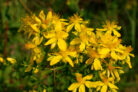
If you’re out for a walk in midsummer and see a yellow wildflower lining the path, there’s a good chance you’ve found St. John’s Wort. These buds reliably open up right as spring fades into summer. Up until that point, the plant focuses on growing its leaves, eventually sending up a tall, sturdy flower stalk that branches out beautifully at the top.
- The first buds usually open in late June.
- The blooming season typically lasts through August.
- On occasion, you might even see flowers sticking around until mid-September.
What Those Yellow Blooms Look Like
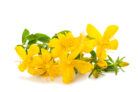
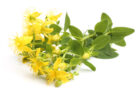
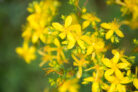
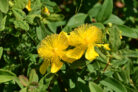
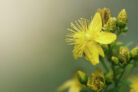
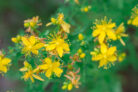
Most people recognize St. John’s Wort by its signature golden-yellow glow. Since these plants often grow in clusters, they create a pretty intense splash of color in the wild. While the tiny details might not matter if you’re just admiring the view, they are *super* important if you’re foraging for herbal remedies. Nature likes to grow toxic look-alikes nearby, so you’ll want to check for these specific features:
- Flowers grow in a flat-topped cluster (cyme).
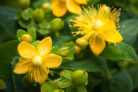
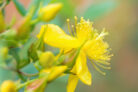
- Blooms are star-shaped (radially symmetrical) with five petals and open wide.
- They have a “double” floral envelope (sepals and petals).
- Five small sepals (about 5 mm long).
- Five oblong yellow petals (up to 15 mm long).
- A bushy center with 50 to 100 stamens.
Quick Tip:
The petals contain hypericin, often called “St. John’s blood.” If you rub a petal between your fingers, it’ll leave a reddish stain on your skin—that’s a classic way to know you’ve got the right plant!
The Best Spot for a Lush Bloom
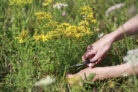
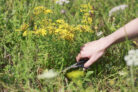
In the wild, St. John’s Wort picks its own location, usually favoring sunny to partially shaded spots with dry, sandy, or rocky soil. If you’re thinking about growing it yourself, keep those conditions in mind to ensure a massive bloom. When it comes time to dry your harvest, you’ll want to cut the entire stem, including the leaves and flowers.
Pro Tip:
If you don’t want the plant taking over your garden, make sure to deadhead the spent flowers quickly so they don’t drop seeds everywhere.
Watch Out for Toxic Look-Alikes
Be careful not to confuse St. John’s Wort with the toxic Tansy Ragwort (Jakobskreuzkraut). Both are yellow wildflowers that bloom at the same time, which can be tricky for beginners. However, once you know what to look for—especially that “red stain” test and the specific petal shape—it’s pretty easy to tell the healing herb from the poisonous weed.