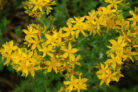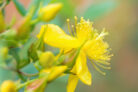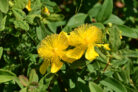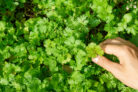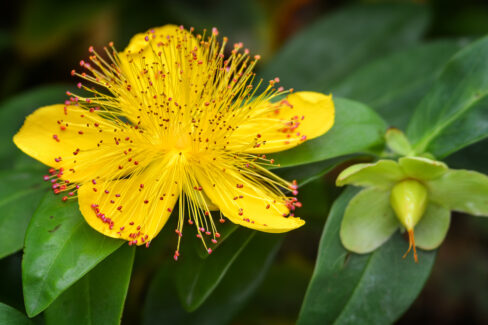
When most of us think of St. John’s Wort, we immediately picture the classic medicinal herb (*Hypericum perforatum*) that pops up in wild meadows and backyard gardens alike. Both the leaves and those sunny yellow flowers are superstars in the world of natural remedies. But what about the tiny seeds? Are they just as useful as the rest of the plant? Let’s dig in.
Harvesting Your Seeds
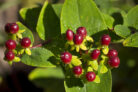
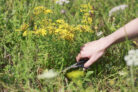
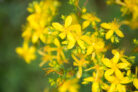
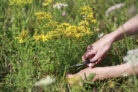
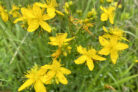
From June through August, St. John’s Wort puts on a show with a crown of bright yellow blossoms. By late September or early October, those flowers turn into berry-like seed pods. Once they’re ripe, you can snip them off, but I recommend letting them dry out indoors for a few extra days. After that, the seeds will practically fall right out!
Quick heads-up:
Be careful not to confuse St. John’s Wort with Tansy Ragwort. They both have yellow flowers and can look pretty similar at first glance, but Ragwort is definitely not something you want in your herb garden.
What Do the Seeds Look Like?
While there are many varieties of St. John’s Wort, their seeds are generally tiny and plentiful. If you’re looking at the common medicinal variety, here’s what to expect:
- Size: Tiny! Usually 1mm or smaller.
- Shape: Oblong or oval.
- Texture: Smooth with a very fine, net-like pattern.
- Color: Anywhere from medium brown to a dark, blackish-brown.
Using Seeds for Propagation (Not Tea!)
Here’s the deal: the seeds aren’t toxic, but they don’t actually contain the medicinal properties found in the rest of the plant. Their main job is propagation. If you want to start new plants at home, sowing seeds is the way to go. While you can sometimes use cuttings or root division, starting from scratch with seeds is usually the most reliable method.
Since St. John’s Wort is winter-hardy and comes back every year, you won’t need to replant annually. In fact, it’s a prolific self-seeder! If you don’t want it taking over your entire garden, make sure to deadhead the spent flowers before the seeds drop (unless you’ve already harvested the blooms for drying).
Germination: Tips for Success
You can start your seeds indoors as early as March, or wait until late April/early May to sow them directly into your garden beds. Aim for a temperature between 65°F and 72°F (18-22°C) for the best results.
One super important thing to remember: St. John’s Wort seeds are “light germinators.” This means they need sunlight to wake up! Just press them gently into the soil or cover them with a very thin dusting of earth. If you bury them too deep, they won’t sprout. Depending on the weather and your garden’s location, you should see sprouts in about two to four weeks.
Pro Tip:
Don’t sweat it if you missed the window to harvest your own seeds. You can find them for just a few bucks at most local garden centers or online shops.