In the world of orchids, those beautiful flower spikes are called panicles. They’re the stems where all those stunning, colorful blooms show off. Some orchid varieties are super eager to bloom, while others take their time. Whether your orchid is just starting to bud or has finished its show, here’s my guide on how to handle those flower spikes like a pro.
Cutting Back Dried Spikes
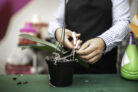
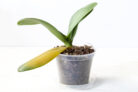
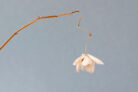
Rule number one: Never cut a green, healthy flower spike! You only want to prune them when they are completely dried out and brown. If that’s the case, go ahead and snip it off right at the base.
However, if only the top part of the spike has dried out, just trim away the dead part. That remaining green stem is still full of life and can actually sprout side branches with even more flowers! If the rest of the stem eventually turns brown, you can always remove it later.
Keep these tips in mind:
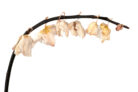
- Let wilted flowers fall off on their own, or very gently pluck them with your fingers.
- Only remove the flower stem once it is totally dried out.
- When you do cut, get as close to the base as possible without nicking the rest of the plant.
Supporting Heavy Blooms
Orchid spikes have a big job to do, especially when they’re loaded down with heavy blossoms. These stems are often thin and long, meaning they can easily snap under the weight of their own beauty. To keep them safe, I always recommend securing them to orchid clips or bamboo stakes.
If the unthinkable happens and a spike snaps off while it’s still blooming, don’t panic! You can still enjoy it. Just pop it into a vase as a cut flower. With a little luck, even the closed buds might still open up while sitting in the water.
Orchids as Cut Flowers
If you want to use your orchids to brighten up a room in a vase, you’ll want to cut the spikes while they are in full bloom. To keep them looking fresh for as long as possible, give the bottom of the stems a fresh trim every few days and change the water regularly. One little secret: avoid cold water. Orchids are tropical beauties, so they’re much happier in lukewarm, room-temperature water.
Disinfecting the Cuts
Whenever you make a cut, it’s a good idea to “seal” the wound with a little bit of cinnamon or charcoal powder to prevent infections. This is a great habit for any kind of pruning, whether you’re trimming stems, roots, or leaves. And of course, always make sure your scissors or shears are clean and sterilized before you start!