While powdery mildew isn’t the scariest thing that can happen to your boxwood—there are definitely more aggressive infections out there—it’s still a real pain. It ruins that classic, lush look we love and saps the plant’s energy. At the end of the day, a sick plant is a sick plant, and it’s time to step in and help it out.
Spotting the Two Types of Mildew
In the gardening world, we deal with two main culprits: Powdery Mildew and Downy Mildew. Along with a handful of other boxwood diseases, these two love to make an appearance. They usually don’t show up at the same time, though, because they have very different “vibes.” Powdery mildew thrives in warm, dry summer weather. Downy mildew also likes the heat, but it needs plenty of humidity to really take off. Here’s how to tell them apart:
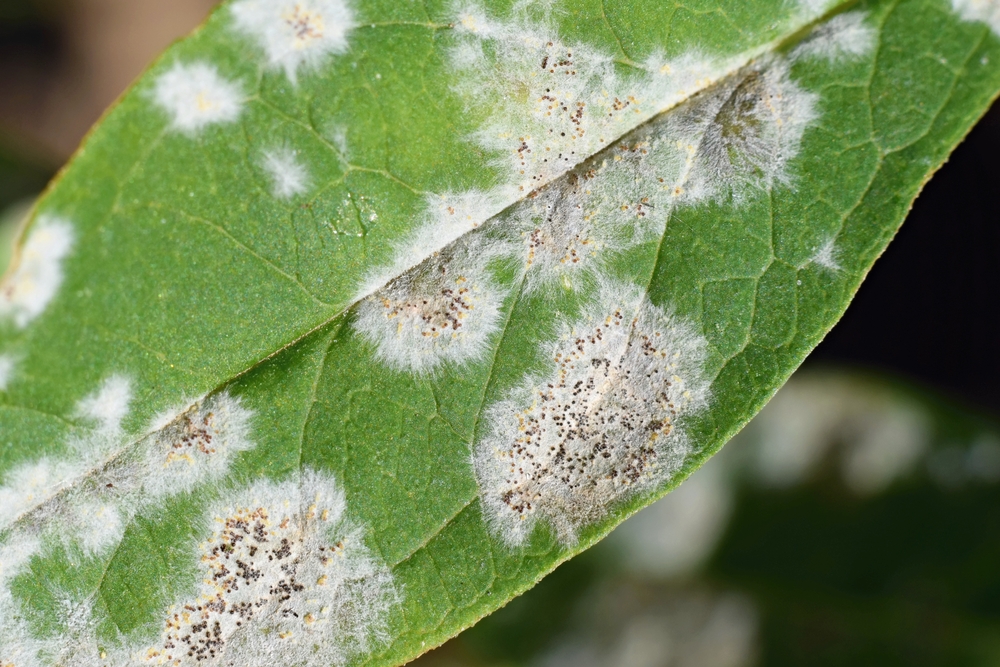
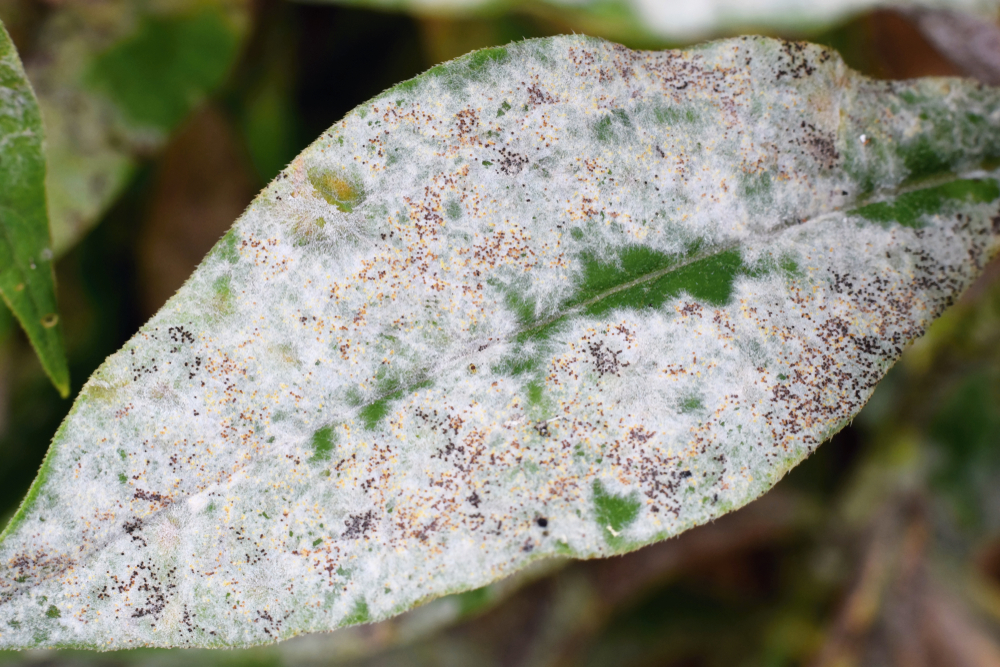
- Powdery Mildew: Coats the boxwood in a white film, mostly on the tops of the leaves. It looks like a dusting of flour and can actually be wiped off with your finger.
- Downy Mildew: Shows up mostly on the undersides of the leaves. It starts white but turns into a grayish fuzz, often accompanied by yellow spots on the leaves.
Quick Tip:
To keep fungal issues at bay, always water your boxwood at the base rather than from above. Keeping the foliage dry is key! It also helps to choose a sunny, airy location so any rainwater evaporates quickly.
Pruning: Your First Line of Defense
One of the best things about boxwoods is how well they handle a trim. Because they’re so resilient, pruning is your go-to move for fighting mildew. As soon as you spot an infection, grab your shears and cut those affected branches back to the healthy wood. Don’t worry—your boxwood will bounce back with new growth. Just make sure to disinfect your shears before and after you cut so you don’t accidentally spread the spores. Whatever you do, don’t compost those clippings or use them as mulch! Bag them up and toss them in the trash so the fungus doesn’t hang around your garden.
Natural Home Remedies
Once you’ve pruned away the worst of it, it’s a good idea to follow up with a treatment to knock out any remaining spores. When it comes to mildew, you really don’t need to reach for harsh chemicals. While there are plenty of fungicides at the store, boxwoods can be a bit sensitive to them. Instead, try a tried-and-true home remedy. Spraying your plant with a horsetail herb decoction or a mixture of diluted whole milk works wonders. Just repeat the process every few days until your boxwood is looking healthy and vibrant again.