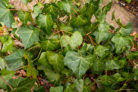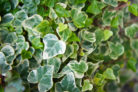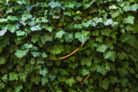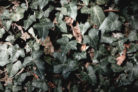
When your ivy starts looking a little worse for wear, it’s totally normal to second-guess your green thumb. But before you blame your watering schedule, keep in mind that English Ivy (scientific name: *Hedera*) is often a target for pests and diseases. Identifying the culprit is the first step to getting your plant back on track.
Common Ivy Issues
Ivy generally loves shady spots and consistently moist soil. If you notice brown spots on the leaves, it might just be that your ivy is drying out. Usually, getting back on a proper watering routine fixes this right up. However, if you know the soil is moist and the plant is still struggling, you’re likely dealing with a pest or a pathogen. Here are the usual suspects:
- Leaf spot disease (fungal or bacterial)
- Ivy canker
- Spider mites
- Scale insects
Identifying and Fighting Fungal Infections
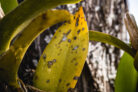
If you see brown or yellow spots popping up, you’re likely looking at leaf spot disease. Ivy canker, on the other hand, starts as small brown dots that eventually turn black. As it progresses, those spots dry out and can even fall out, leaving holes in the leaves.
The good news? You have a great shot at saving your ivy if you act fast. Grab your garden shears and prune away any affected areas immediately. Don’t be shy—ivy is a fast grower and handles pruning like a champ, so it’ll bounce back in no time.
Pro Tip:
Always use sharp shears and disinfect them before and after use. This prevents you from accidentally spreading the “ick” to your healthy plants!
Dealing with Common Pests
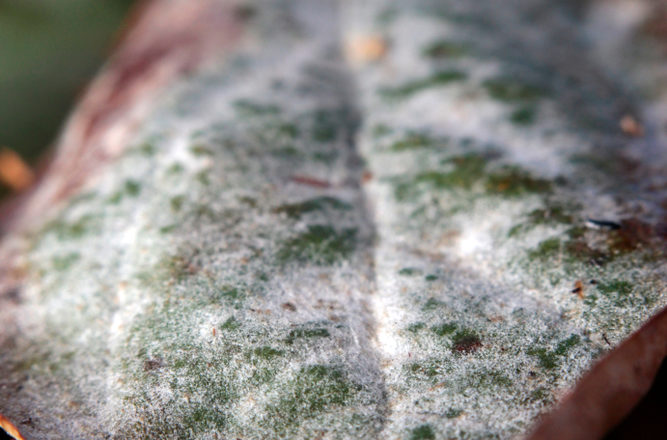
Spider mites usually announce themselves with tiny yellow speckles on the leaves. If you look closely (especially on the undersides), you’ll see the tiny critters or fine webbing. Scale insects are another common nuisance; they secrete a sticky substance called honeydew that makes the foliage feel tacky to the touch.
For a mild infestation, a simple homemade spray of soapy water with a splash of rubbing alcohol usually does the trick. Just be sure to prune off any heavily infested stems first. If things have really gotten out of hand, you might need to pick up an organic or chemical treatment from your local garden center.
If you’re growing ivy as a houseplant, remember that dry indoor air—especially near heaters—is like an invitation for pests. To keep them away, move your plant away from vents and give it a regular misting to keep the humidity up.
How to Dispose of Infected Ivy
Whatever you do, don’t toss those diseased clippings onto your compost pile! Most home compost bins don’t get hot enough to kill off pathogens or pests. Instead, bag them up for the municipal green waste bin or the trash. Professional composting facilities reach much higher temperatures that ensure the bugs and fungi won’t make a comeback.