As the days get shorter and the air gets crisp, it’s finally time for our favorite fall flowers to take the stage. Today, I’m sharing seven of the most popular late-bloomers to keep your garden glowing, plus a little “insider tip” plant you’re going to love.
[[pflanzen]]
++Autumn Stonecrop (Saxifraga cortusifolia)
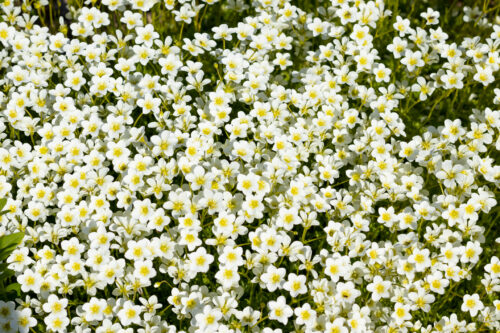
From September well into November, Autumn Stonecrop (often called “Oktoberle” in Europe) produces delicate, white umbel flowers that look incredibly elegant. Since this late-bloomer only reaches about 6 to 8 inches in height and loves partial shade, it’s a perfect choice for the front of a perennial bed, as a cemetery planting, or as a low-maintenance groundcover. Even when it’s not in bloom, the variegated leaves—ranging from green to deep red with spots or stripes—are a total eye-catcher.
++Stonecrop / Sedum (Sedum telephium)
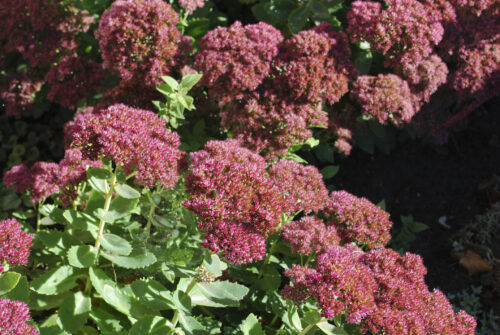
Don’t let the name “Stonecrop” fool you—this plant is a fall powerhouse. It produces flower clusters up to four inches wide in shades of white, light red, pink, or deep burgundy. Because they are packed with nectar, they act like a magnet for butterflies, bees, and bumblebees. The succulent-like leaves have a beautiful blue-gray shimmer that looks great all season long. Plus, this perennial is tough as nails and can handle a few days of drought without breaking a sweat.
++Fall Asters (Aster)
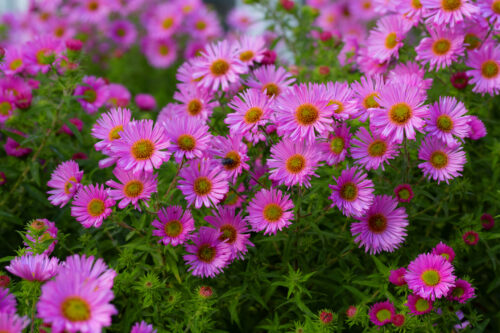
These prolific, easy-going bloomers bring a natural, cottage-garden charm to any landscape. Available in white, red, violet, blue, and plenty of pastels, they provide a much-needed pop of color when most other plants have already called it quits for the year. These perennials are famous for their daisy-like flowers with colorful petals surrounding a yellow center. To get the most buds possible, make sure to give your asters a sunny spot in the garden.
++Autumn Monkshood (Aconitum carmichaelii)
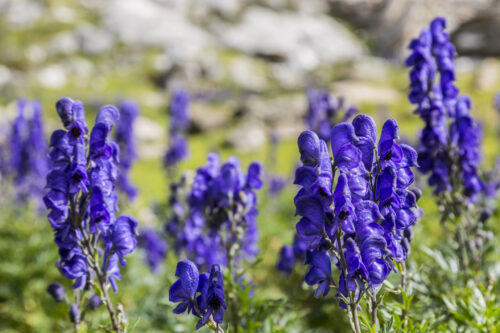
With flower spikes reaching up to four feet tall, Autumn Monkshood is a real showstopper. The individual flowers grow in dense clusters and have a unique shape that looks just like little helmets. The dark green, deeply lobed leaves are also very ornamental. It’s a vital food source for bees and is remarkably resistant to pests and diseases. Just a heads-up: like all Monkshood varieties, this plant is highly toxic, so handle it with care.
++Japanese Anemone (Anemone hupehensis)
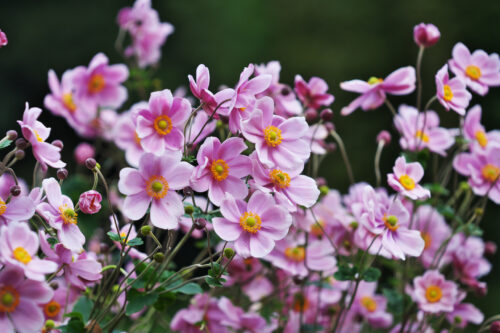
When summer starts to fade, these delicate beauties really start to shine. From September until the first frost, Japanese Anemones open their two-inch wide cup-shaped flowers in shades of white and pink. For the best bloom, give this perennial a spot in partial shade. Once they’ve settled in, Japanese Anemones are fully winter-hardy and very dependable year after year.
++Chrysanthemums (Chrysanthemum)
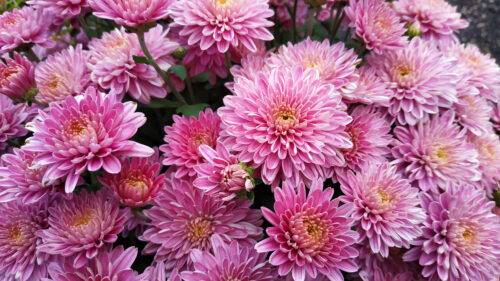
“Mums” are the quintessential fall flower, only setting their buds once the days get shorter and the nights get chilly. They offer a spectacular color show well into November with single or double blooms in almost every color imaginable. These hardy garden favorites feature gray-green, lobed leaves and can grow anywhere from 20 to 45 inches tall. To ensure a massive flower display, plant them in a warm, sunny location.
++Dahlias (Dahlia)
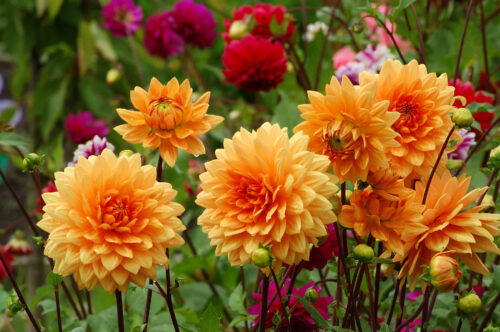
With their magnificent blooms, Dahlias are often called the “Queens of Autumn.” There are over 30,000 cultivated varieties out there, ranging from simple open faces to intricate “pom-pon” shapes. These grow from tubers and, while they aren’t winter-hardy in colder climates, they are incredibly rewarding. They are relatively easy to care for as long as you give these beauties a full-sun spot and keep them well-watered.
%%Lilyturf (Liriope muscari)
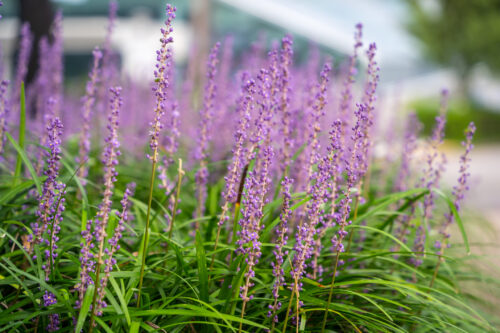
Here is my secret tip: Liriope (or Lilyturf). This member of the asparagus family is a hidden gem in the gardening world. Originally from Asia, this evergreen perennial forms tufts of grass-like foliage that work perfectly for bordering flower beds. From September through October, it sends up deep violet-blue flower spikes that contrast beautifully with the green leaves. These spikes can reach up to 15 inches long, and you can now find varieties in white and various shades of purple.