Seeing dried-out stems or shriveled leaves on your orchid can feel like a total heartbreak, and it’s easy to assume your green friend is a goner. But don’t reach for the compost bin just yet! Orchids are surprisingly resilient. Even if yours looks like it’s on its last legs, there are a few tricks you can use to bring it back to life.
Signs Your Orchid is Actually Dead
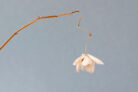
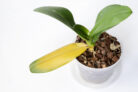
A few wilted leaves or a dropped flower don’t mean the end. Usually, it takes a “perfect storm” of symptoms to declare an orchid officially dead. Keep an eye out for these three red flags:
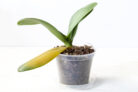
- All the leaves have turned yellow or fallen off completely.
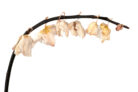
- Every single flower spike and pseudobulb is totally dried out and brittle.
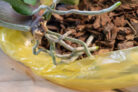
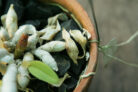
- Every aerial root is shriveled, brown, or mushy.
If your orchid only shows one or two of these signs, there’s still a glimmer of hope! If you act fast, you can often save your orchid and get it back to its former glory.
When to Say Goodbye
Your orchid is only truly gone when there isn’t a single speck of green or “life” left in it. If the entire plant is brittle, brown, and bone-dry from top to bottom, it’s unfortunately time to let it go.
How to Rescue a Struggling Orchid
If there’s even a tiny bit of green left, it’s worth trying a rescue mission. In my experience, a fresh start with new soil and a change of scenery are the two best ways to jumpstart a recovery.
Time to Repot
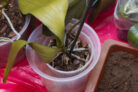
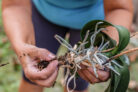
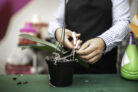
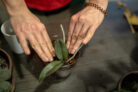
The first thing you should do for a “problem child” orchid is repot it into a clean pot with fresh, high-quality orchid bark. While you’re at it, trim away any dead, crispy aerial roots or dried-out stems. As long as you can find at least one or two healthy, firm roots, you can go ahead and tuck it into the new substrate.
If you find that your orchid has zero healthy roots left, don’t panic. Try placing the base of the plant in a jar with a little bit of filtered rainwater for a few weeks. If the plant still has some energy left, it’ll often sprout brand-new roots right before your eyes!
A Change of Scenery
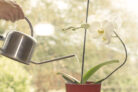
Move your newly repotted orchid to a slightly cooler spot in your home. During this “recovery phase,” stop fertilizing and cut back on watering. Instead, give the plant a light misting with lukewarm water every day. If you can give it a temperature drop of about 5-10 degrees Fahrenheit compared to its old spot, you might see new growth within a few weeks. Once it looks stable, you can move it back to its usual home.
The “Baby” Strategy
Sometimes, an orchid knows it’s in trouble and puts its final burst of energy into creating keikis. These are tiny baby plants that grow directly on the flower spikes or at the base. They are genetic clones of the mother plant! Once these little guys have grown their own leaves and a few solid roots, you can carefully snip them off and pot them up on their own. It’s the orchid’s way of living on through its kids!