Pear trees are long-lived garden staples, but over the years, they can run into some trouble with fungal infections. These pesky fungi can do some real damage if left unchecked. I’m here to help you spot the signs early and show you how to give your tree a helping hand.
Fungal Diseases in Pear Trees
Pear trees can fall victim to several different types of fungi, and getting rid of them isn’t always a walk in the park. The best defense is a good offense: picking the right planting spot and keeping up with consistent care will help your tree stay strong and resilient. Here are the most common fungal culprits you might run into:
- Pear Trellis Rust
- Pear Scab
- European Fruit Tree Canker
- Monilia (Brown Rot/Blossom Blight)
Pear Trellis Rust
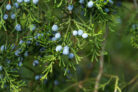
Known botanically as *Gymnosporangium fuscum*, this fungus is a bit of a traveler. It actually needs two different hosts to complete its life cycle. It spends the winter on juniper bushes, and when the damp spring weather hits, it hitches a ride on the wind to find your pear tree. On junipers, you’ll spot it as gooey, bright orange gelatinous growths.
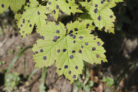
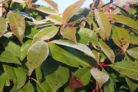
Once it lands on your pear tree, it creates vivid, glowing orange spots on the leaves. Later in the season, look at the underside of the leaves—you’ll see brownish, wart-like growths. These burst open in the fall, sending the fungus right back to the junipers.
Treating it can be tricky. You can try spraying with horsetail herb or fern tea as a natural remedy. However, the best strategy is prevention: try not to plant pear trees too close to junipers. If you already have junipers nearby, check their branches for those orange growths and prune them out immediately.
Pear Scab
A fungus called *Venturia* is another one that loves pear trees. If your tree is infected, you’ll see black, scaly, or cracked patches on the fruit. In bad cases, the whole pear becomes a shriveled mess that’s definitely not fit for eating. If it hits young shoots, they’ll drop off; older branches might end up stunted or deformed.
Sulfur-based treatments can help, though spraying a massive, old tree is a big job. If you spot scab, make sure to clear away and destroy all fallen fruit and leaves in the fall. It also helps to thin out the canopy regularly to keep the air flowing and the leaves dry.
European Fruit Tree Canker
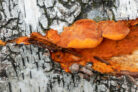
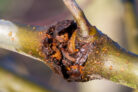
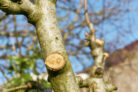
This fungus, *Neonectria ditissima*, goes after the “bones” of the tree—the trunk and branches. You’ll notice orange or brown cracked areas on the bark. As it progresses, the tree develops thick, swollen cankers that look like open wounds.
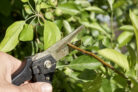
To prevent this, always seal up any “injuries” from pruning or broken branches with a high-quality tree wax. It’s also a smart move to do your pruning on dry days so the fungus doesn’t have moisture to help it move in. If you see an infected spot, you’ll need to cut it back until you reach healthy wood and dispose of the diseased branches (don’t compost them!).
Monilia (Brown Rot & Blossom Blight)
*Monilinia* is a fungus that many gardeners dread. It usually starts by attacking the blossoms and then works its way deeper into the tree. You’ll see twigs drying out from the tips inward, with brown leaves stubbornly clinging to the branches. A bad infection can leave the whole crown looking bare. It also rots the fruit, turning it into “mummies” that stay on the tree.
Your best bet is to choose resistant varieties from the start. For trees already in the ground, keep the canopy well-thinned for airflow and always seal your pruning cuts. Most importantly: get those infected plant parts out of your garden as soon as you see them.
Pro Tip: While chemical fungicides are an option, they should really be your last resort. Always weigh the pros and cons for your garden’s ecosystem before reaching for the heavy stuff.