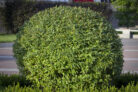
If you’ve noticed your oleander looking a little worse for wear thanks to a bug invasion, don’t panic! You don’t always need to rush out and buy harsh chemicals. In many cases, simple DIY remedies you probably already have at home can do the trick for a much more natural approach to pest control.
Common Types of Oleander Pests
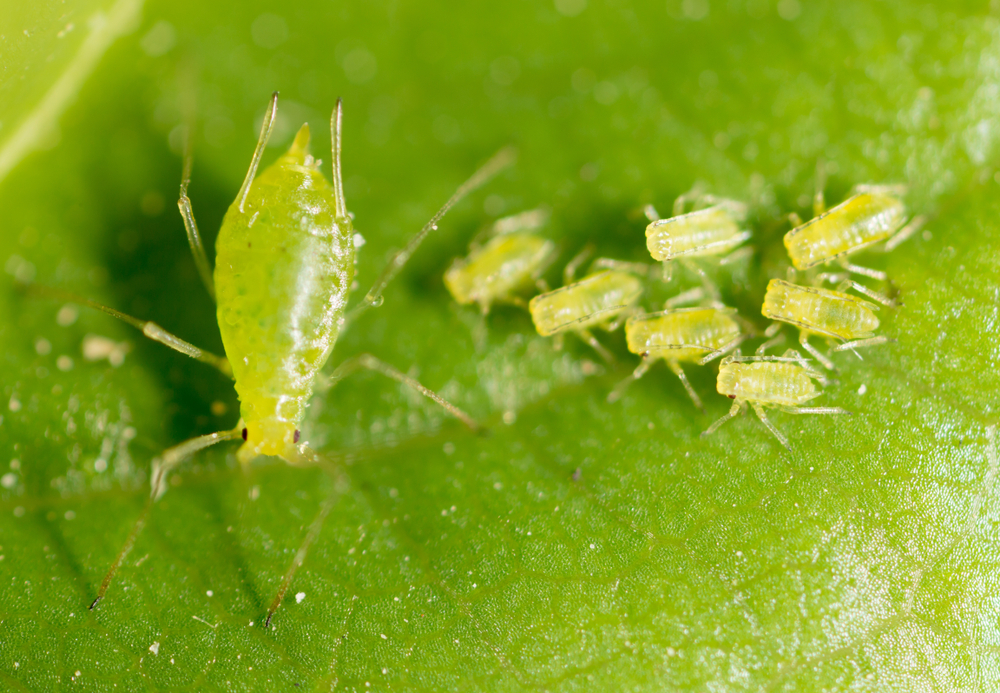
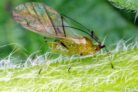
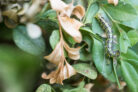
Lice and aphids are among the most common pests that love to make a home out of your oleander. The usual suspects you’ll run into are:
- Aphids (especially those bright yellow oleander aphids!),
- Scale insects, and
- Mealybugs.
Effective Home Remedies for Pest Control
You can tackle most infestations with a few household staples. I always recommend trying these natural methods first; only reach for the heavy-duty commercial insecticides if the “homegrown” versions don’t do the job.
Getting Rid of Aphids
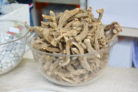
For a minor aphid problem, a strong blast of water from your garden hose is often enough to knock them off. For the stubborn ones, a homemade stinging nettle tea (manure) works wonders.
- Chop up about two pounds of fresh stinging nettles and add them to roughly 2.5 gallons of water.
- Cover the mixture and let it sit in a warm, dark spot for about a week.
- Give it a good stir every day.
- Strain the liquid and dilute it with water at a 1:10 ratio.
- Regularly spray the affected parts of your oleander with this mixture.
Dealing with Scale and Mealybugs
Scale and mealybugs are a bit tougher because of their protective shells or waxy coatings. You need something that essentially smothers them. Mixtures containing dish soap, castile soap, or canola oil work great, as do neem oil-based products. Tea tree oil is another solid natural option.
Here’s how to whip up a simple soap-based spray:
- Mix 17 ounces of water with 2 teaspoons of liquid castile soap (or dish soap) and 2 teaspoons of rubbing alcohol.
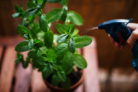
- Use a paintbrush or a cotton swab to apply the mixture directly onto the bugs. Alternatively, you can put it in a spray bottle and give the whole plant a good misting.
When in Doubt, Prune it Out
If your oleander is completely overrun and the remedies aren’t keeping up, it might be time for a radical pruning. Don’t be afraid to cut back the infested branches aggressively—you can even cut the plant back near the base (rejuvenation pruning). This not only gets rid of the pests physically but also reduces the surface area for them to multiply, giving your plant a fresh, healthy start.