Peppermint is one of those hardy, reliable herbs that almost every gardener loves to have in their backyard or on their balcony. But even though it’s a tough plant, it’s not invincible. Between hungry insect larvae looking for a snack and various fungal diseases, your mint can sometimes run into a bit of trouble.
Common Fungal Diseases in Peppermint
Fungal issues are actually pretty common with peppermint. The good news? If you keep a close eye on your plants and catch the signs early, you can usually get things back under control. Here are the main culprits to watch out for:
- Mint Rust
- Powdery Mildew
- Root and Stem Rot
- Verticillium Wilt
Mint Rust
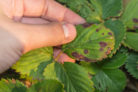
This one loves shady, damp spots. Fungal spores usually hitch a ride on the wind or hitchhike via splashing water. In the spring, you’ll start seeing brown to black spots on the stems and leaves, which get worse as summer rolls on. If the infection gets bad enough, the leaves will eventually dry up and drop off.
To keep rust at bay, try planting resistant varieties and give your plants plenty of elbow room for airflow. Be careful not to overwater, and go easy on the nitrogen-heavy fertilizers. If you want a natural boost, spraying your mint with a horsetail tea decoction can really help.
Powdery Mildew
Often called the “fair-weather fungus,” powdery mildew thrives when it’s warm (above 60°F) and humid. You’ll recognize it by the white, flour-like coating on the tops of the leaves. Over time, it causes the leaves to die off—and trust me, you definitely don’t want to use mildew-covered leaves for your tea!
If you spot it, prune out the infected stems immediately and toss them in the trash (not the compost!). To prevent it in the future, try using a stinging nettle tea as a natural fertilizer to help strengthen the plant’s immune system.
Root and Stem Rot
If your peppermint stems are getting soft and mushy starting from the bottom up, you’re likely dealing with rot. This is almost always caused by “wet feet”—basically, waterlogged soil where the moisture can’t drain away. To avoid this, make sure you’re using well-draining soil and pots with plenty of drainage holes. Adding a layer of gravel or clay pebbles at the bottom of your pots for drainage is always a smart move.
Verticillium Wilt
When your mint leaves start looking limp and wilted for no apparent reason, Verticillium wilt is usually the culprit. This soil-borne fungus is a tough one to beat, and unfortunately, there’s no real cure. Your best bet is to remove and dispose of the infected plant right away to stop it from spreading. Prevention is key here: give your mint the right care, plenty of space, and a sunny spot. It also helps to rotate your mint to a new location every three to five years to keep the soil fresh and healthy.