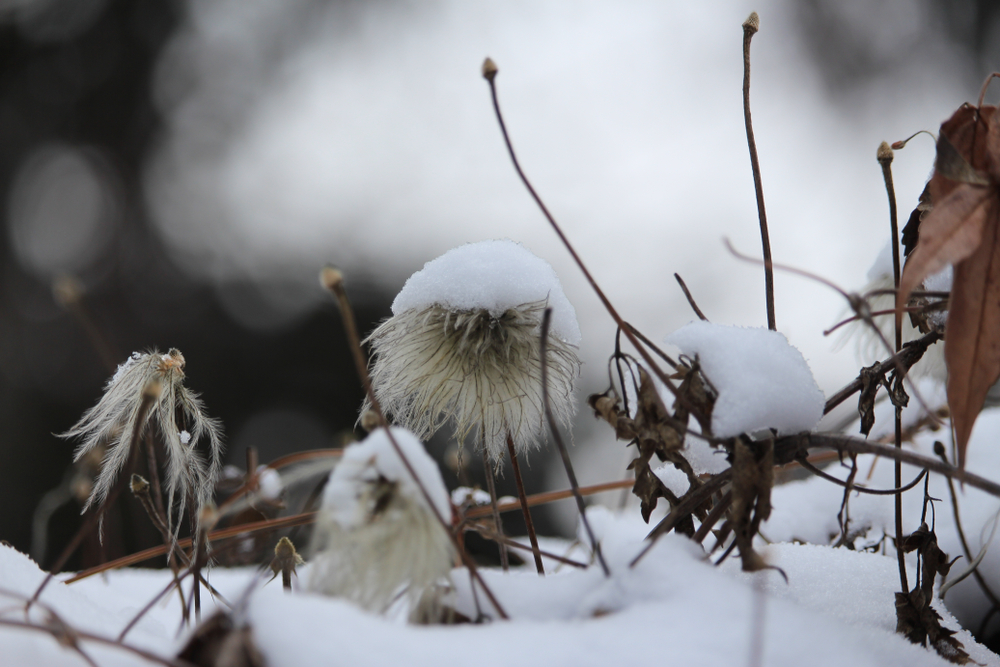
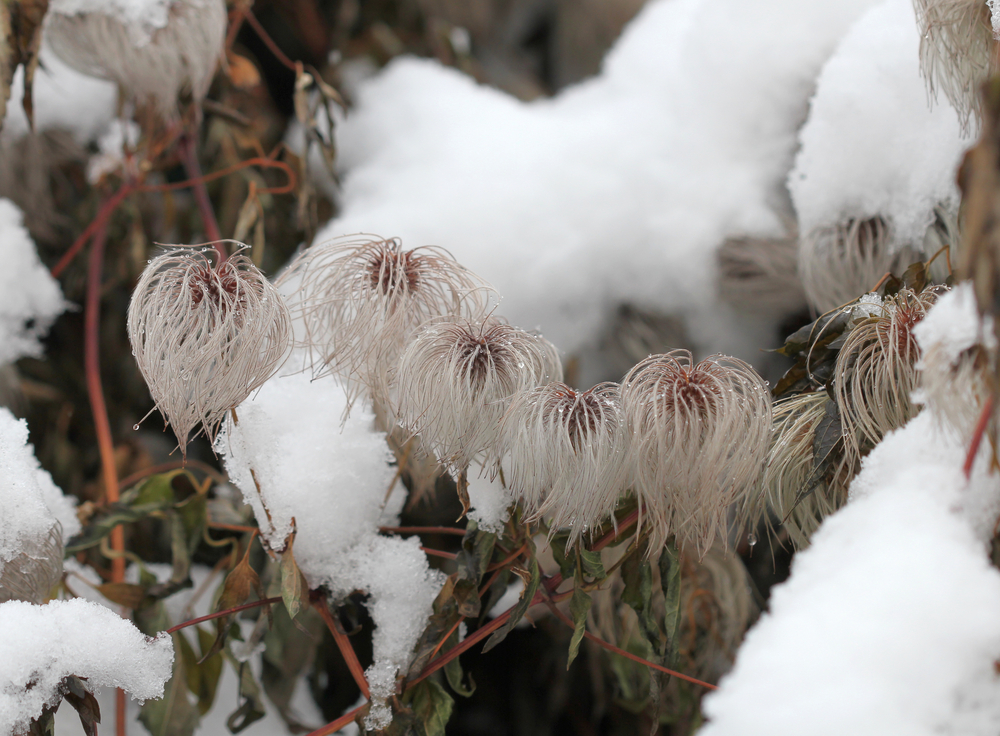
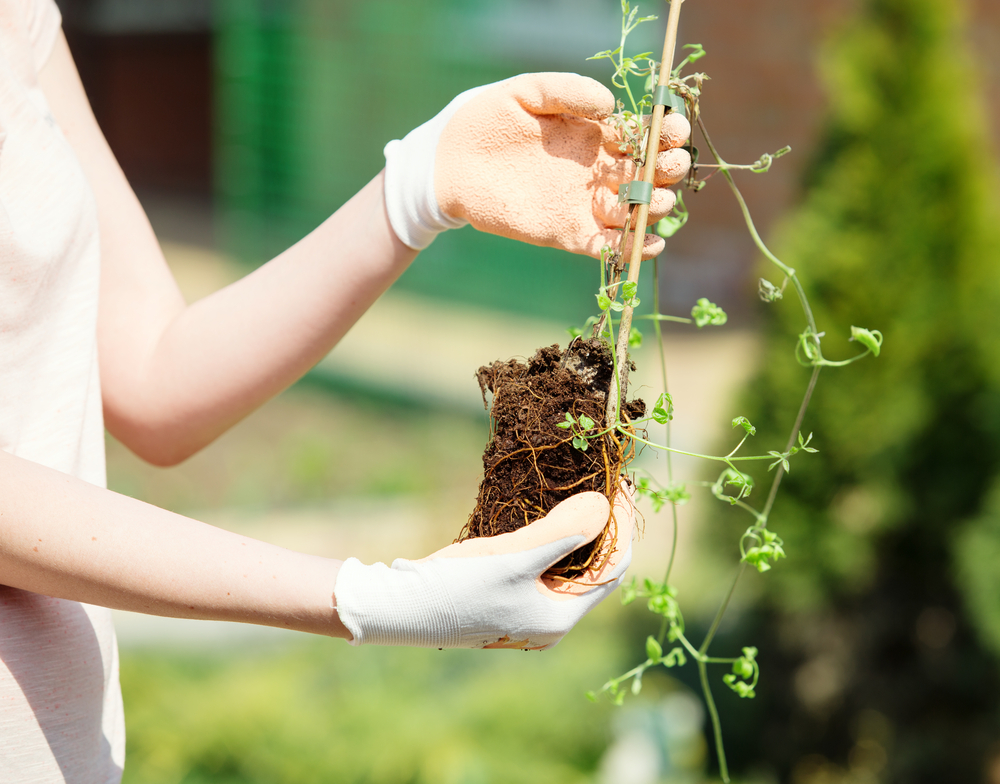
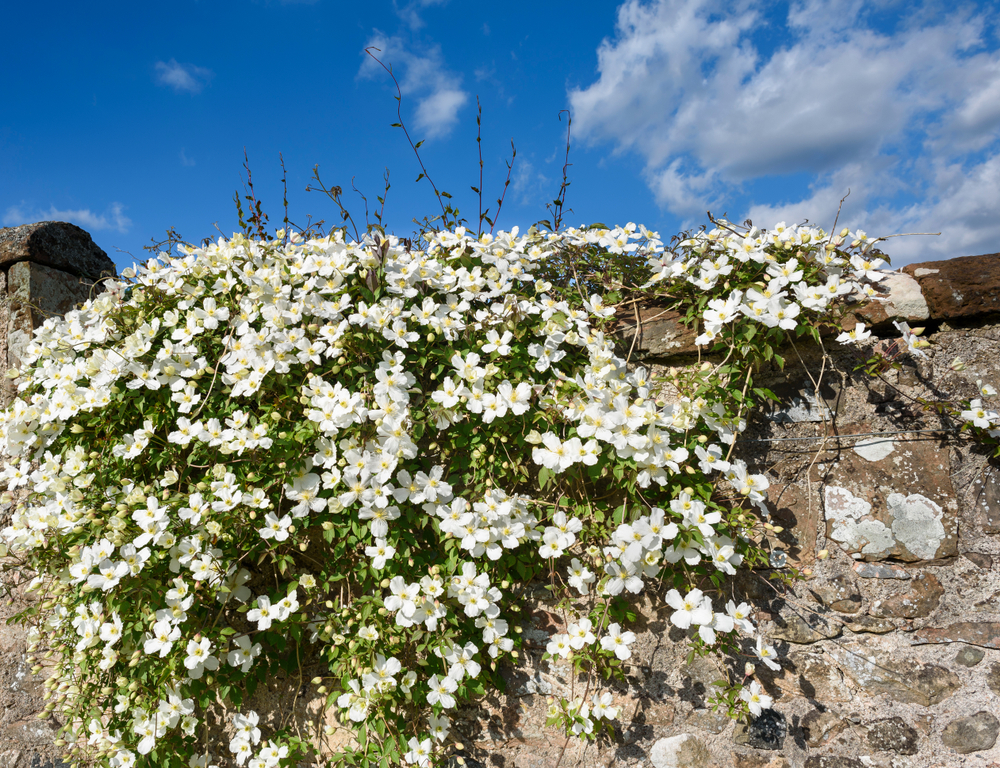
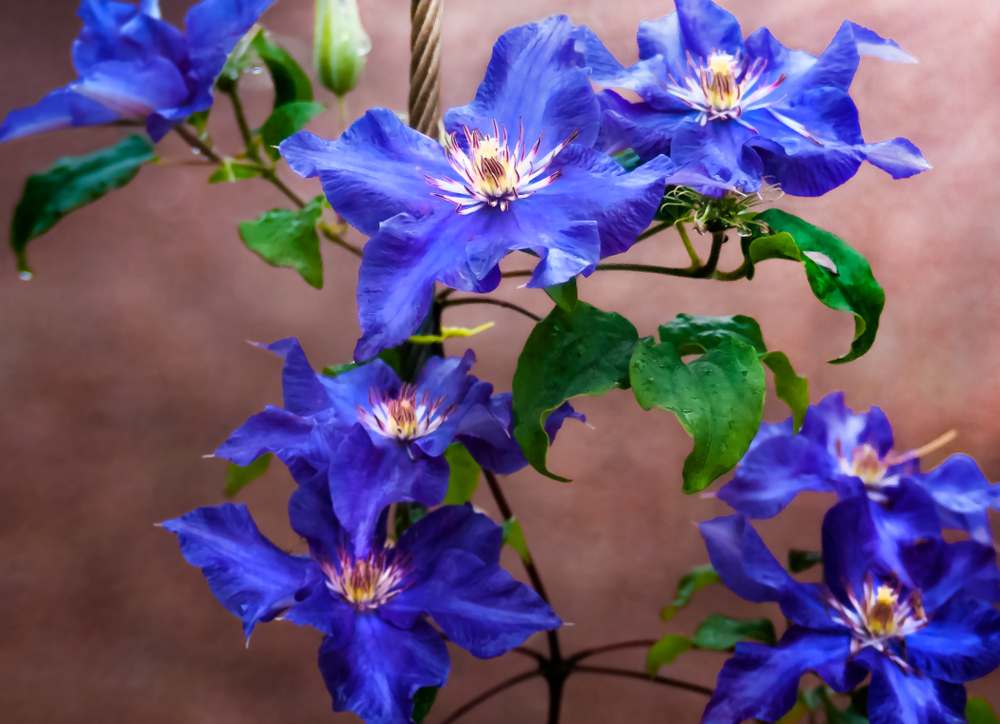
Clematis is a stunning climbing vine that you’ll find growing wild along forest edges and clearings all over the globe. Because there are over 300 different varieties, these plants have adapted to all sorts of climates. Some are tough as nails and can handle a deep freeze without any help, while others need a little extra TLC from us gardeners to make it through the winter.
The Cold-Hardy Champions
Only a handful of Clematis species are true “winter warriors” that can handle extreme sub-zero temperatures. Here’s a quick breakdown of how much cold some of the most popular types can take:
- Traveler’s Joy (Clematis vitalba): Down to a bone-chilling -35°F
- Italian Clematis (Clematis viticella): Down to -13°F
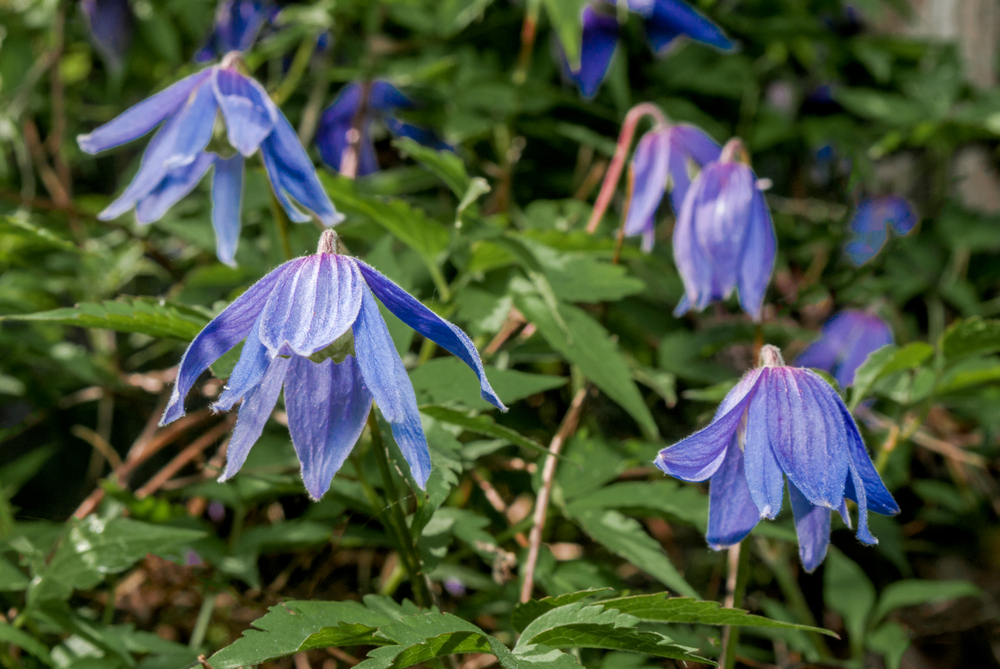
- Alpine Clematis (Clematis alpina): Down to -13°F
- Solitary Clematis (Clematis integrifolia, Clematis recta): Down to -13°F
- Anemone Clematis (Clematis montana): Down to -4°F
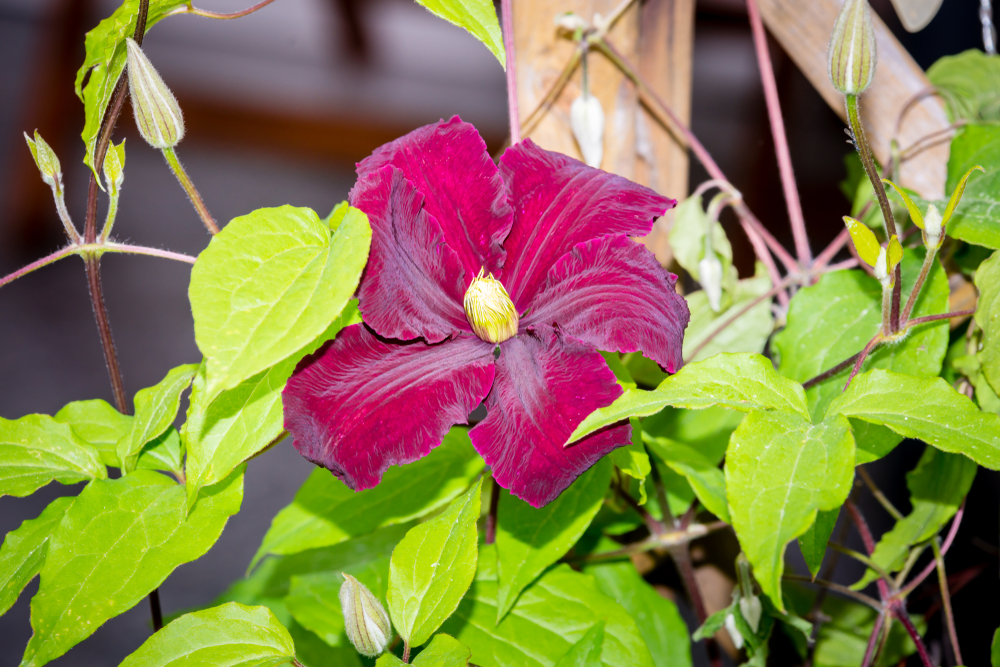
If your winters are a bit more moderate, the Japanese Clematis (Clematis florida) and the semi-evergreen Chinese Clematis (Clematis kweichowensi) are great choices, as they handle dips down to about 10°F. You’ll also find plenty of hybrids on the market; for example, the popular “Rubens” variety comes from the Montana family, meaning it’s quite reliable when the mercury drops.
Protecting Frost-Sensitive Varieties
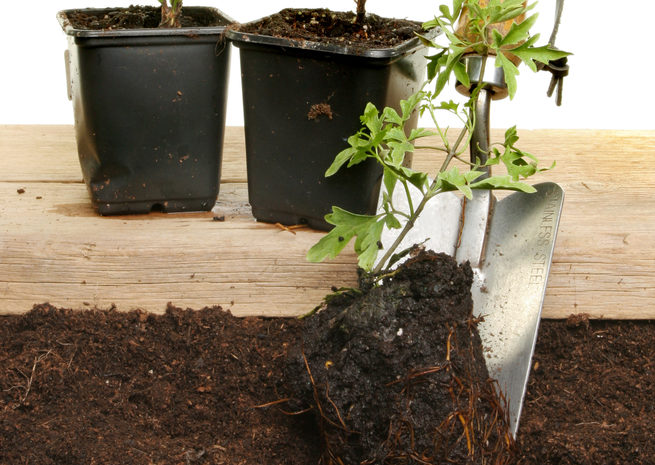
The truth is, many Clematis varieties aren’t naturally built for harsh northern winters. If you’ve got one of these beauties, you’ll need to prep them before the first frost hits. The easiest way to manage sensitive types is to grow them in containers. That way, you can simply move the pots into a frost-free spot like a bright garage or sunroom for the winter—just make sure they still get enough light! If your pots have to stay outside, wrap them in several layers of burlap or garden fleece and prop them up on wooden blocks to keep the roots away from the freezing ground.
Winter Care for Hardy Plants
Even if your Clematis is rated as winter-hardy, you shouldn’t just leave it to fend for itself. Along with a good pruning (depending on its group), the most important thing is protecting the root system. I recommend covering the base of the plant with evergreen boughs (like pine or fir) or a thick layer of bark mulch. It’s best to do this in the fall—not just to keep the roots warm, but to prevent the soil from getting too waterlogged during those rainy autumn months.