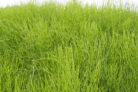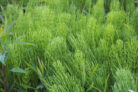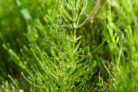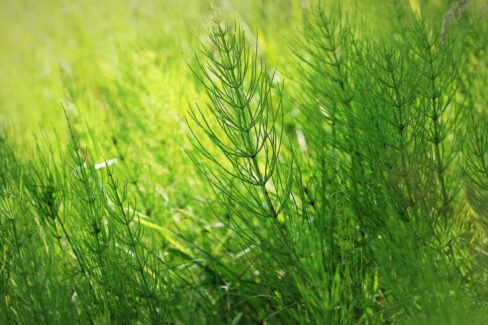
Horsetail doesn’t exactly win any popularity contests in the gardening world. Most of us know it as that stubborn, annoying weed that just won’t quit. Even though it never produces a single flower, it still manages to spread like wildfire. Let’s dive into how this ancient plant pulls that off!
No Flowers? No Problem for Horsetail
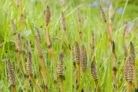
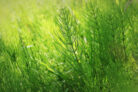
Horsetail doesn’t bother with blossoms; instead, it reproduces via spores. In the spring, you’ll usually spot small, brownish shoots popping up that look a bit like miniature mushrooms. At the very tip, there’s a cone-like spike responsible for churning out those spores. These “spore cones” are actually the best way to tell the difference between the beneficial Field Horsetail and its toxic cousin, Marsh Horsetail. With the Field variety, the cone appears first; only after it withers away will you see the green, feathery foliage start to grow.
From late April through June, the wind catches these spores and scatters them everywhere. This clever strategy has been perfected over millions of years, ensuring horsetail can find a home even in the most remote corners of your yard. It’s exactly why this plant is such a headache to get rid of! If you want to stop the spread, you’ve got to cut those shoots down early and dispose of them properly. And a word to the wise: keep horsetail out of your compost pile unless you want it popping up everywhere next season.
Useful Even Without the Blooms
Despite its bad reputation, horsetail can actually be a pretty handy plant to have around—either as a helper in the garden or even as an ornamental. Here are a few ways to put it to work:
- Parts of the Field Horsetail are actually edible and packed with nutrients.
- Certain varieties look great as decorative greenery.
- When brewed into a tea or “broth,” it’s a fantastic natural defense for roses against powdery mildew and other fungal diseases.
- If you ferment it into a liquid fertilizer (plant mash), it provides a massive nutrient boost for your rose bushes.
If you want to take advantage of these perks without the garden takeover, I highly recommend growing your horsetail in a pot. It does require a little extra care—especially when it comes to overwintering—but the container keeps those aggressive roots in check. It’s the perfect compromise: you get all the benefits without the endless weeding battle. Trust me, once horsetail gets cozy in your garden beds, its roots can tunnel for yards in every direction, making it nearly impossible to evict!