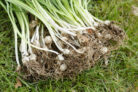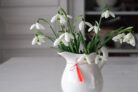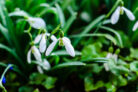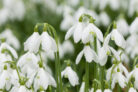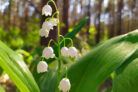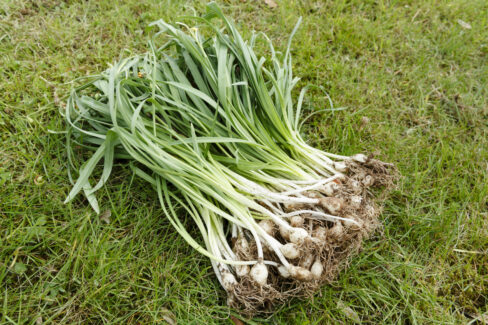
These delicate early bloomers are classic bulb plants, meaning everything from the leaves to the flower stalks grows from a bulb tucked away underground. Think of the bulb as the “heart” of the snowdrop—it’s packed with all the essential nutrients the plant needs to kickstart its growth in late winter.
Picking the Best Snowdrop Bulbs
If you’re looking to add some snowdrops to your garden, you’ve got two main options: you can buy pre-potted plants in the spring and pop them straight into your flower beds or containers, or you can go the traditional route and plant bulbs in the fall. If you’re buying bulbs, give them a gentle squeeze. You want them to feel plump and firm. If a bulb feels soft or squishy, it’s likely dried out or starting to rot, and it won’t stand a chance of sprouting.
There are actually about 18 species and over 500 different varieties of snowdrops out there! Most of them have small, brown bulbs about half an inch thick, and honestly, they all look pretty much the same. Since you can’t tell the varieties apart just by looking at the bulb, make sure to keep those labels handy so you know exactly what you’re planting.
The Perfect Spot and Soil
Snowdrop bulbs don’t like to sit around in a box for long, so it’s best to get them in the ground as soon as you bring them home. When choosing a location and prepping your soil, here’s what these little guys are looking for:
- Dappled shade (they love living under deciduous trees and shrubs)
- A spot where the winter sun can still reach them
- For very early-blooming varieties, a sunnier spot is even better
- Loose, crumbly soil
- Rich in organic matter (humus)
- Consistently moist but well-draining
- No standing water (they hate “wet feet”)
- A quiet spot where they won’t be dug up or disturbed
How to Plant Your Bulbs
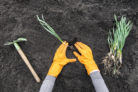
In the fall, dig your planting holes about 2 to 3 inches deep. I always recommend planting snowdrops in “clumps” of about five bulbs per hole—these tiny beauties really make a statement when they grow in groups rather than solo. Space your clumps about 4 to 6 inches apart. Give them a little water after planting, but don’t worry about fertilizer. The bulb itself is a powerhouse of nutrients, and the plant will naturally soak up any leftover minerals from nearby fertilized plants.
One of the coolest things about snowdrops? They can push through even a thick blanket of snow! As the bulb starts to grow, it actually generates a tiny bit of warmth that melts the snow right above it, allowing the sprout to peek through. That melting snow provides all the moisture the plant needs for its first growth spurt.
Once the flowers have faded, the snowdrop prepares for its “hibernation.” It pulls all the remaining energy from its wilting leaves back down into the bulb to store it for next year. So, let those leaves turn yellow and die back naturally—it’s just the plant getting ready for its next big show!