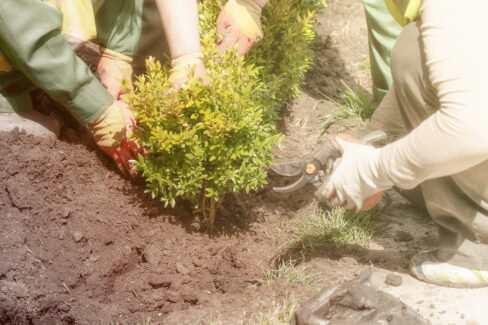
Thinking about adding some classic boxwood to your garden? It’s a great choice, but there’s more to it than just digging a hole and hoping for the best. If you don’t get the timing, soil, and location right, you might end up with a mistake that’s tough to fix later. Consider this your “must-read” guide to getting it right the first time.
Pick the Right Variety for the Job
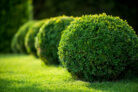
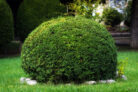
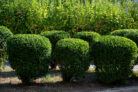
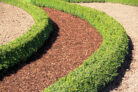
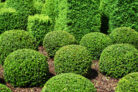
What’s your vision for your boxwood (scientifically known as *Buxus*)? Are you looking for a low border for your flower beds, a tall privacy hedge, or are you feeling ambitious enough to try some topiary? Not every variety is built for every job. If you plant a slow-growing dwarf variety where you wanted a tall screen, you’ll be waiting forever—and you might eventually have to rip it all out and start over.
Pro Tip:
If you’re planning a really long hedge or border, you might want to save some cash by propagating your own boxwood cuttings.
When to Plant
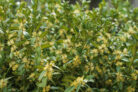
If you bought your boxwoods in pots (container-grown), you can technically plant them anytime the ground isn’t frozen. However, the “sweet spots” are fall or spring (through June). If you’re working with bare-root plants, stick to the window between October and May. One little heads-up: try to avoid planting in April when they are in their peak flowering phase.
Location and Soil
Boxwoods are a bit like Goldilocks—they don’t like it too dark, but they don’t love scorching hot spots either. They can handle full sun if you acclimate them slowly, but a bright, partially shaded spot is usually the “just right” choice. As for the soil, they want it loose, rich in organic matter, and well-draining. Whether your soil is sandy or clay-heavy is less important than the pH level. Boxwoods love lime, so aim for a pH between 7 and 8.
Spacing Matters
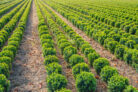
If you’re planting a boxwood as a standalone “specimen” plant, give it plenty of room. They are shallow-rooted—even old plants only go about 2 feet deep—but those roots like to spread out wide near the surface. For hedges or borders, you’ll want to pack them in closer to get that dense look faster. For small plants (4-6 inches tall), a spacing of just 4 inches is perfect. For larger plants, you can double that. Generally, the faster the variety grows, the more space you should give it.
Pro Tip:
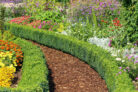
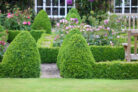
What looks good with boxwood? Roses and colorful perennials provide a stunning contrast against that deep green foliage. Just make sure their neighbors enjoy the same lime-rich soil!
Step-by-Step Planting Guide
- Soak the root ball: Place the pot in a bucket of water for at least an hour before planting so it’s fully hydrated.
- Dig the hole: It should be about twice as wide as the root ball.
- Prep the soil: Mix the soil you dug out with some mature compost or horn shavings and a bit of rock dust.
- Check drainage: If your soil is heavy and prone to packing down, add a drainage layer at the bottom so your boxwood doesn’t get “wet feet.”
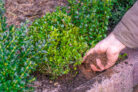
- Set the plant: Place it in the hole at the same depth it was in the pot. Be careful not to crush or damage the roots, especially with bare-root plants.
- Fill and firm: Fill the gaps with your soil mix and press down firmly.
- Water in: Give it a good, deep soak.
Aftercare
Give your boxwood a light trim right after planting. Since the roots need time to settle in, they can’t support a massive canopy right away. Just don’t take off more than a third of the growth. Keep the soil consistently moist (but not soggy) for several weeks. If you planted in the spring, wait until June to fertilize for the first time.
Moving an Established Boxwood
It’s always best to pick the perfect spot the first time because moving an established boxwood is a challenge. If they aren’t moved carefully, they can struggle to take up nutrients, leading to yellow leaves. If you have to move an older plant, prepare it two weeks in advance:
- Use a spade to cut a circle around the roots.
- Dig a trench around the plant (the diameter should match the height of the plant).
- Keep it well-watered until moving day.
This prep work encourages the plant to grow fine feeder roots, making the transition to its new home much smoother.
Growing in Containers
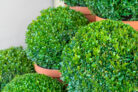
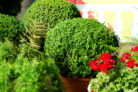
Boxwoods do great in pots! Use standard potting soil mixed with compost and some expanded clay pebbles for aeration. Make sure the pot is large enough and has plenty of drainage holes. You’ll need to repot every two to three years. Keep in mind that container plants need a bit more attention, and in the winter, you’ll need to protect the root ball from freezing solid.
Note:
Trying to keep a boxwood as a houseplant is tricky, but it can be done. It needs a very bright spot, perfect watering and feeding, and a slightly cooler place to spend the winter.