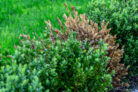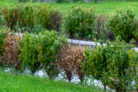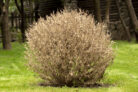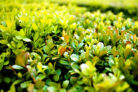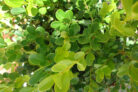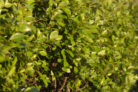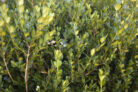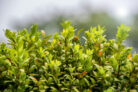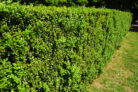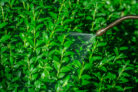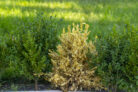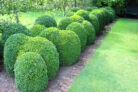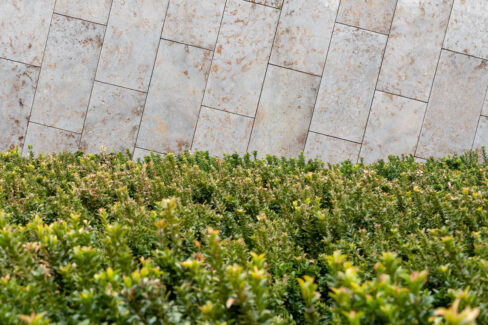
Both the Common Boxwood (*Buxus sempervirens*) and the Littleleaf Boxwood (*Buxus microphylla*) are pretty tough customers when it comes to handling heat and cold. However, constant, punishing sun exposure can leave behind permanent damage. The good news? There are plenty of ways to keep your shrubs from getting scorched.
How to Spot Boxwood Sunburn
When that lush, evergreen foliage gets fried by a blazing sun, it loses its signature green glow and turns a crispy brown. But here’s a pro tip: sunburn usually doesn’t hit the whole plant at once. You’ll mostly see it on the side facing the sun—typically the south or southeast side of the shrub. If you notice brown patches tucked away in the shade or scattered randomly, you might be dealing with something else. Keep an eye out for:
- Fungal pathogens
- Boxwood Blight (this one is serious!)
- Spider mites or leafminers
- Too much water (root rot) or extreme drought
When is the Risk Highest?
It’s not just those “dog days of summer” that cause trouble. Believe it or not, bright, freezing winter days can be just as dangerous for your boxwoods. Also, be careful with young plants, fresh cuttings, or shrubs that have been overwintered indoors; even the milder spring sun can scorch them if they aren’t hardened off properly.
Treating a Sunburned Boxwood
Unfortunately, once a leaf is toasted, it’s not going to turn green again. To get your plant looking its best, you’ll want to prune away the damaged stems to encourage fresh new growth. Just a heads-up: never prune while the sun is still beating down! Cutting back the canopy exposes tender inner leaves to the light, which can lead to even more brown leaves almost instantly. Wait until the evening or a cloudy day to do your trimming.
Quick Tip:
After pruning, give your boxwood a little TLC by fertilizing with some well-aged compost or organic fertilizer and watering it thoroughly. This helps speed up the recovery process.
Preventing Sunburn in the First Place
If your planting spot gets hit by intense midday sun, you might need to provide some shade. You don’t have to do this all year, but on those record-breaking hot days (and bright winter days), it’s a lifesaver. You can use professional shade netting, a simple patio umbrella, or even a sun sail. Propping up a few large coconut fiber mats in front of the shrubs works great, too. If your boxwood is in a container, you have it even easier:
- Move it to a spot with dappled afternoon shade.
- In winter, tuck it against a protective house wall.
- In spring, gradually introduce it to more sunlight over a week or two.
And remember: the more sun your boxwood gets, the more often you’ll need to water it to make up for the moisture lost through evaporation!