Thanks to its fast, dense growth, English ivy has long been a go-to choice for ground cover. But here’s the thing: while we all love that lush green look at first, it can quickly turn into a total headache. If you’ve reached the point where you need to reclaim your yard, be prepared—getting rid of it takes some serious elbow grease.
First things first: Suit up!
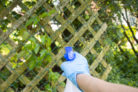
Ivy is actually toxic, and direct skin contact can lead to nasty rashes or inflammation. Since this is going to be a big, time-consuming project, you definitely want to wear protective gloves. I’d also recommend a face mask; when you start yanking those vines out, tiny toxic particles can get kicked up into the air, and you really don’t want to be breathing those in.
Wait for rain or grab the hose
To completely get rid of ivy—which, let’s be honest, acts more like a weed with its crazy growth rate—you can’t just trim the surface. You have to pull the roots. This job is a million times easier when the soil is soaking wet. Either wait for a rainy day or give the area a good deep watering yourself before you start.
How to remove this ground cover
- Start by cutting back any vines you can easily grab.
- For vines stuck to the ground with aerial roots, give them a sharp tug to loosen them, then snip them off.
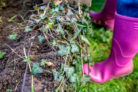
- Try to get as much of the root system out of the dirt as possible. Use a garden fork to loosen the soil so you can yank out those stubborn bits. Depending on how old the plants are, the roots can go down as deep as two feet!
- If the ivy was really established, you might want to dig up the whole area and sift through the soil one last time to make sure you didn’t miss anything.
Properly disposing of your ivy
Ivy isn’t just a nuisance; it’s a safety hazard for curious toddlers and pets. Plus, ivy is a survivor—even small clippings can start growing again, especially if they still have those sticky roots attached. Here is how to handle the cleanup:
- Clean up all the debris immediately after you finish.
- Avoid putting ivy on your compost pile (it might just start growing there!).
- If you must compost it, bury it under a very thick layer of grass clippings to “cook” it.
- Your best bet is tossing it in the green waste bin for curbside pickup.
- Or, take it directly to your local yard waste recycling center.
Pro Tip:
Don’t try to shred the ivy. Not only can those tiny shredded bits sprout new plants, but the shredding process releases those toxic particles into the air where you can easily inhale them.
Is Roundup a shortcut?
You’ll often hear people suggest Roundup as a way to kill ivy. However, it’s not the magic fix it sounds like. Aside from the environmental concerns, it usually only kills the leaves. The roots often survive the treatment completely unscathed, meaning the ivy will be back before you know it.
Also, stay away from “home remedies” like salt. It doesn’t just disappear after the job is done—it sticks around in the soil and eventually leaches into the groundwater, which is bad news for the rest of your garden.