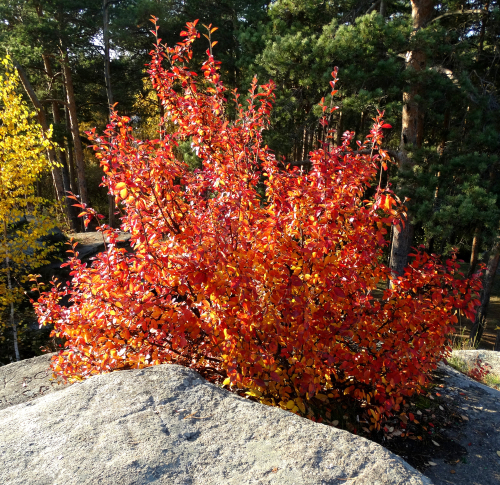
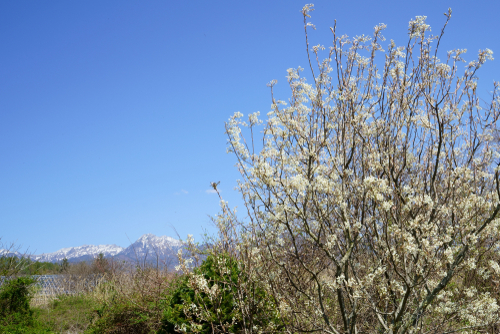
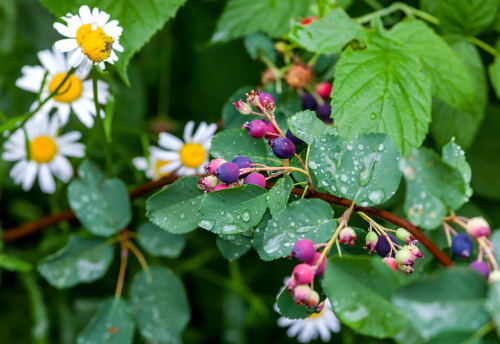
In my experience, serviceberries (also known as Juneberries) can be a bit of a mystery to home gardeners, especially when things start looking a little “off.” They’ve only recently made a big comeback in backyard landscapes, so it’s totally normal to have questions. If you notice your serviceberry leaves turning red long before the fall colors are supposed to kick in, you might be wondering if your tree is in trouble.
Why Are the Leaves Turning Red?
If you suddenly spot red leaves on your serviceberry, don’t panic just yet! It isn’t always a sign of a disaster. There are a few common reasons this happens:
- The natural shift in seasons,
- Drought stress,
- Pests or diseases,
- Or it’s just a unique trait of your specific variety (like the popular Autumn Brilliance or Apple Serviceberry).
One of the most beloved types is the Copper Serviceberry. Unlike other varieties that only show off in the fall, this one actually has beautiful bronze-red tones on its young, new growth in the spring.
Red Leaves Caused by Drought
Generally speaking, serviceberries are pretty tough and can handle a bit of dry weather. However, if they get too thirsty, they might react to “drought stress” by turning red early. It’s basically the tree’s way of trying to go into fall mode ahead of schedule to save energy. You can prevent this by giving your tree a drink during long dry spells. Watering regularly is key, but don’t overdo it—you want to avoid “wet feet” or standing water, which can cause root rot.
Diseases That Cause Red Spots
If a disease is the culprit, the leaves won’t usually turn a pretty, solid red. Instead, you’ll see funky red spots popping up. This is often a sign of a fungal infection, specifically Pear Trellis Rust. Unfortunately, serviceberries are somewhat prone to this.
Pro tip: Try not to plant your serviceberry near junipers. Junipers act as a “host” for this fungus and will pass it right over to your serviceberry. If you do see infected leaves, prune those branches back and toss them in the trash (not the compost pile!) to stop the spread.