Finding the right bee-friendly plants for your backyard isn’t always a walk in the park. To help you out, I’ve put together a guide to some of the most popular shrubs that will keep your local pollinators buzzing with joy.
[[pflanzen]]
++Winter Heath (Erica carnea)
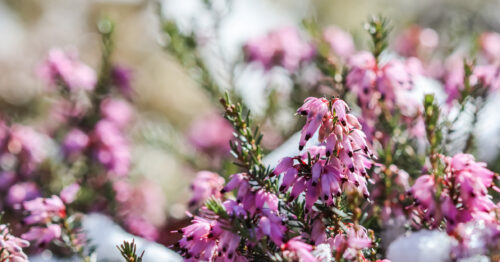
If you want to take good care of your bees, the goal is to have something blooming in your garden for as long as possible. A mix of early bloomers, late bloomers, and long-flowering plants is the way to go. One of my favorite early birds is Winter Heath (also known as Alpine Heath). This tough little dwarf shrub starts showing off its blossoms as early as February. Since it’s native to mountainous regions, it doesn’t mind the cold and provides a vital food source for bees when most other plants are still sleeping.
++Cornelian Cherry (Cornus mas)
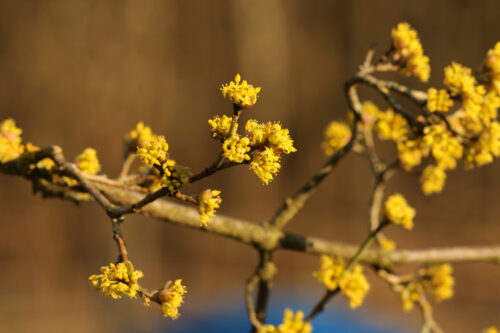
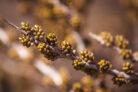
The Cornelian Cherry has a fantastic reputation as a pollinator magnet. Its bright lemon-yellow flowers pop open early in the year, usually between February and April. These shrubs provide a much-needed energy boost for bees waking up from their winter slumber. And here’s a fun fact: despite the name, it’s actually a member of the dogwood family, not a true cherry tree!
++Pussy Willow (Salix caprea)
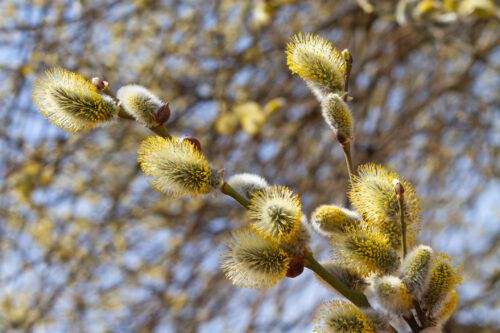
The Pussy Willow is like an all-you-can-eat buffet for bees and other beneficial insects. Starting in March, it produces those iconic, fuzzy catkins that are packed with nutrients. They aren’t just great for the ecosystem, though—they look amazing in a vase! Many people love to snip a few branches for spring decor or Easter displays. Whether in the yard or on your dining table, they’re a classic seasonal highlight.
++Raspberry (Rubus idaeus)
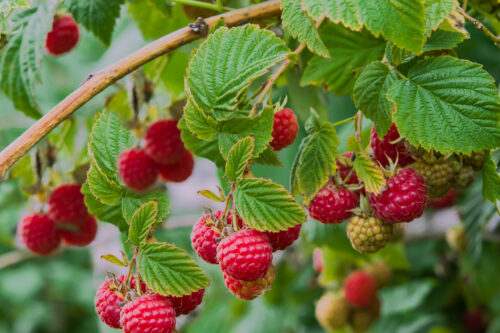
Who doesn’t love fresh berries? Raspberry bushes are a win-win: they offer plenty of nectar for the bees and delicious fruit for you. You can even plant them close together to create a “fruiting hedge.” These shrubs do best in a sunny spot that’s protected from the wind—think along a fence, a garden wall, or tucked near a taller hedge. Once they ripen, you’ll have the perfect snack right at your fingertips.
++Dog Rose (Rosa canina)
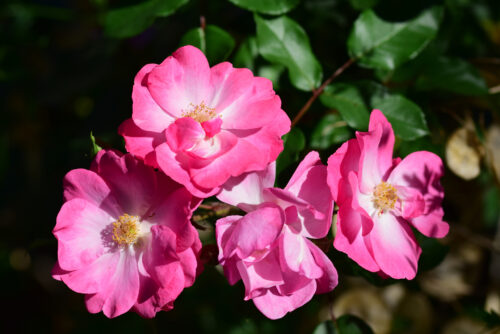
The Dog Rose (or Wild Rose) is a classic beauty known for its simple white or pink flowers and bright red rose hips. It’s incredibly hardy—it even handles salty sea breezes like a champ, which is why you’ll often see it growing near coastal dunes. It’s a low-maintenance shrub that offers a wonderful food source for bees and adds a touch of wild, natural charm to any landscape.
++Bluebeard (Caryopteris)
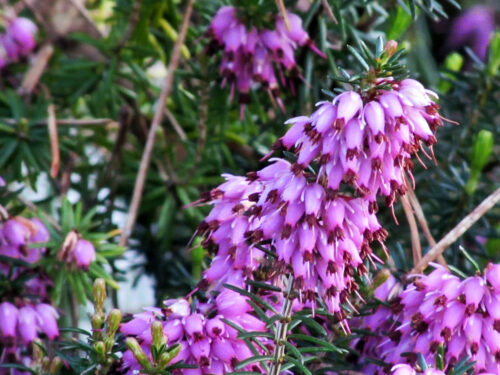
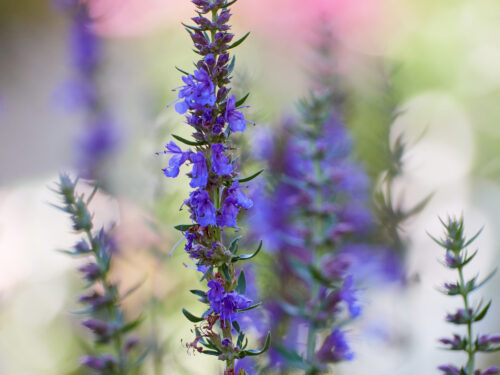
Starting in July, Bluebeard transforms your garden into a blue-tinted paradise for pollinators. These shrubs produce a dense carpet of fuzzy, “bearded” blue flowers that stay vibrant for a long time. Not only do they catch the eye with that intense color, but they also release a lovely fragrance. It’s a treat for the bees and a treat for anyone hanging out on the patio!
++English Lavender (Lavandula angustifolia)