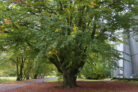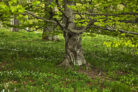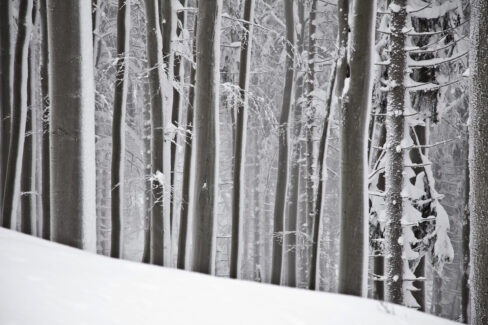
Native beech trees are total pros when it comes to surviving rough winters. They’ve evolved to know exactly how to prep for the cold, so for the most part, you don’t have to lose sleep over frost damage. However, that doesn’t mean you should totally check out for the season! There are still a few things you can do to help your beech tree thrive.
Don’t Interrupt the Winter Prep
Believe it or not, your beech tree starts getting ready for winter as early as mid-summer. The best thing you can do is stay out of its way. Avoid pruning or fertilizing in the fall. Both of these actions encourage fresh new growth, and those tender young shoots won’t have enough time to “harden off” before the first big freeze hits.
Protecting Young Beech Trees
Mature beeches (especially our native European Beech) are incredibly hardy, surviving temperatures as low as -22°F (-30°C) without breaking a sweat. But the “kids” need a little extra TLC. If you have younger trees, here’s how to keep them cozy:
- If you’ve got saplings in pots, keep them indoors for their first winter.
- For young trees already in the ground, add a thick layer of mulch over the root zone.
- Protect thin bark from “winter sunscald” by wrapping the trunk in burlap or jute.
Beech Bonsais Belong Indoors
While a full-grown tree is a winter warrior, a bonsai is a different story. Because its root system is in a shallow tray, it’s much more vulnerable to freezing. Your bonsai can enjoy the fresh air from spring through summer, but once the temperature drops, it needs to move inside.
Treat Older Trees to a Mulch Blanket
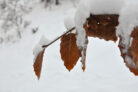
You’ll notice that beeches often hold onto some of their dried, brown leaves throughout the winter. For the leaves that *do* fall, go ahead and leave them right where they are! Leaf litter acts as a natural mulch that prevents the soil from drying out and returns nutrients to the earth as it decomposes. You can also use grass clippings, compost, or straw.
One pro tip: If the winter is particularly dry, give your beech a drink on days when the ground isn’t frozen. This is especially important for smaller trees whose root systems aren’t fully established yet.
When to Plant
Ideally, you want to plant your beech in October. If you missed that window, don’t worry—you can actually plant them anytime through late February, as long as the ground isn’t frozen solid.
Quick Tip:
If you’re trying to grow beeches from seed, remember that they need a “cold treatment” (stratification). You can leave them outside or pop them in the fridge over the winter to break their natural dormancy so they’ll sprout in the spring!