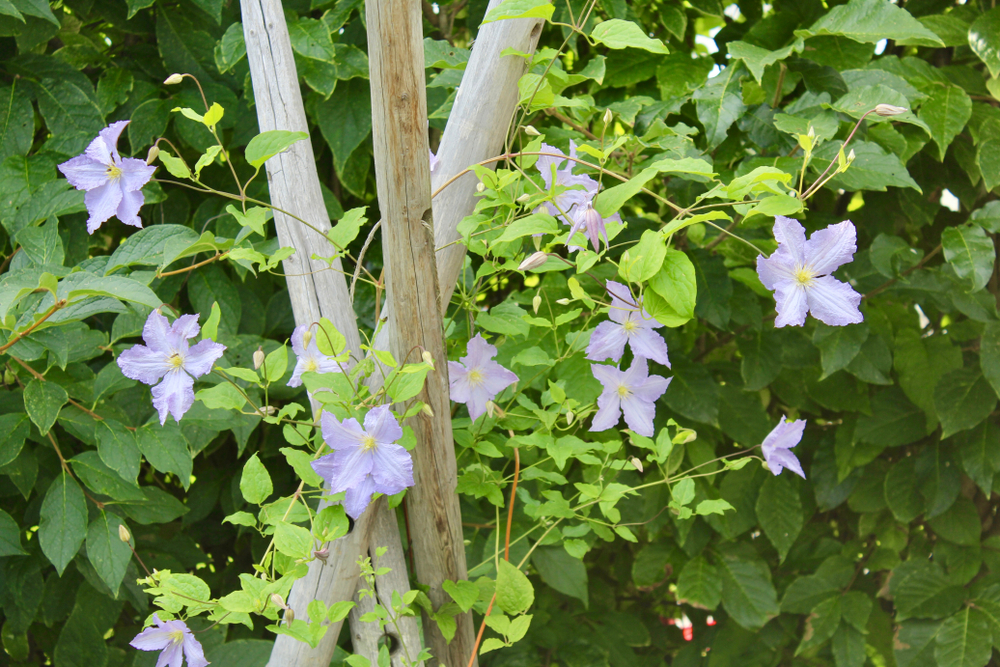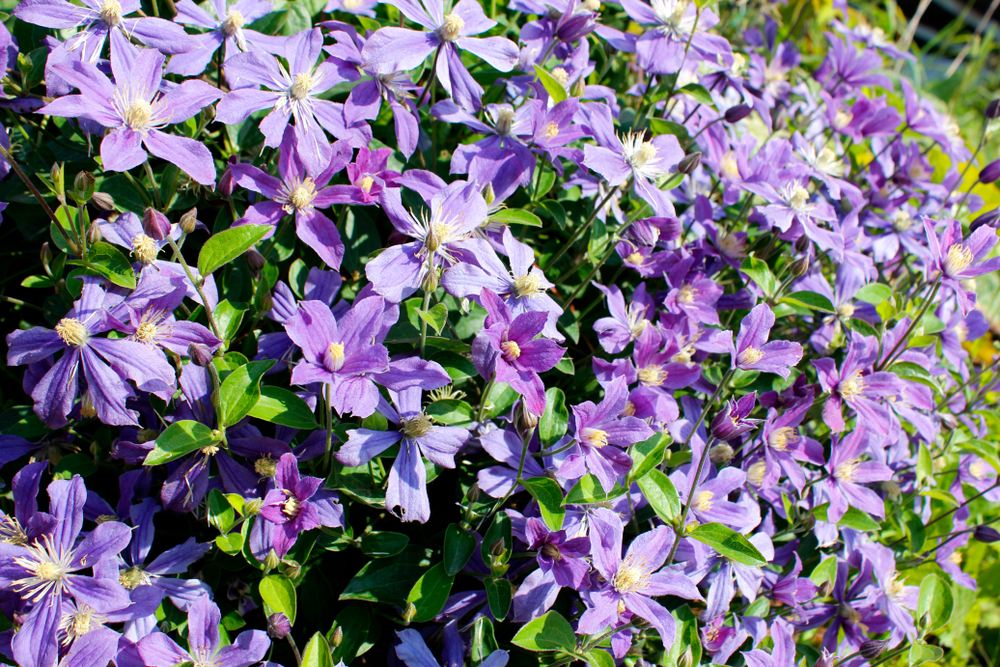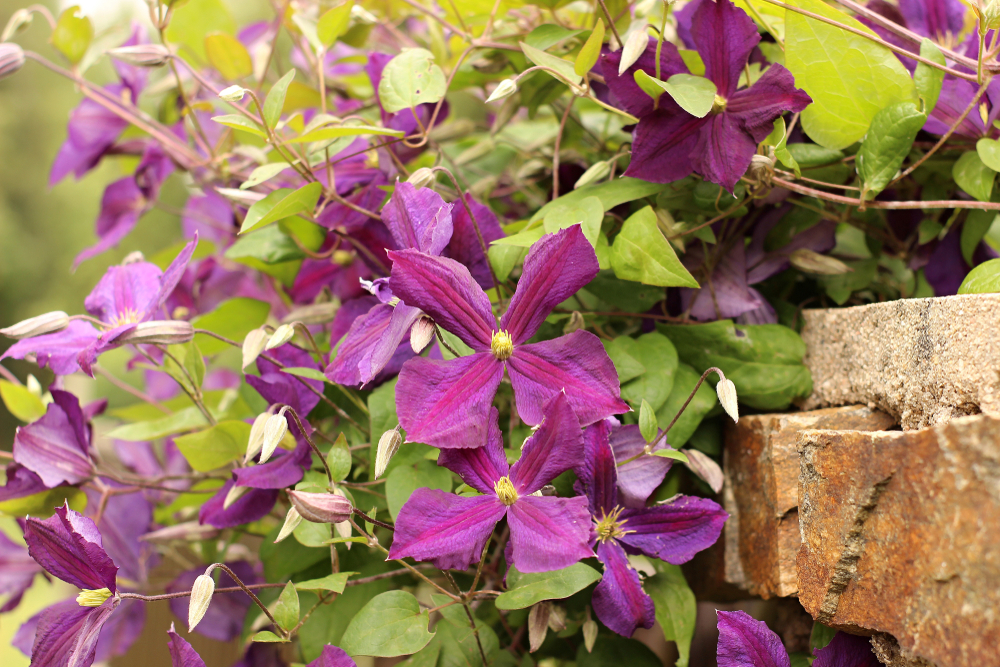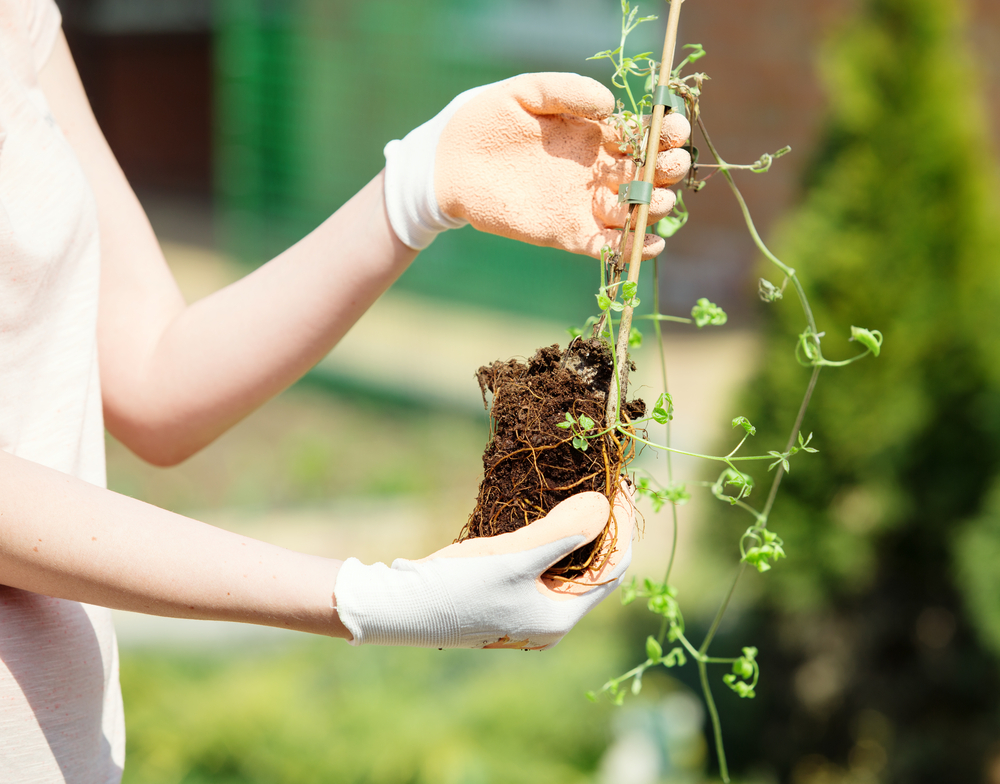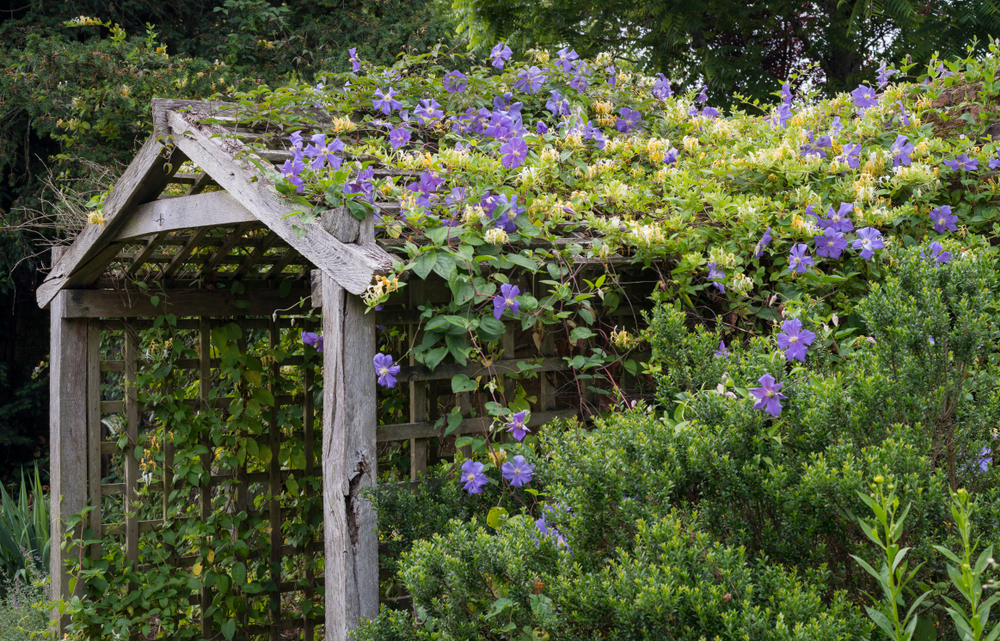
With over 300 different varieties out there, Clematis (or “Queen of the Vines”) comes in all sorts of shapes and sizes. But while their flowers might look different, their roots are surprisingly picky and share almost the exact same needs across the board. Beyond just needing nutrient-rich soil, there are a few “must-haves” to keep those roots happy.
Getting the Light Just Right
When you’re picking the perfect spot in your garden, remember the golden rule for Clematis: “Head in the sun, feet in the shade.” Most varieties thrive best in partial shade. This mimics their natural habitat at the edge of forests or clearings. While the climbing vines and blooms crave plenty of sunlight to pop, the roots need to stay cool and shaded—just like they would be under the brush and fallen leaves on a forest floor.
Keep it Moist, Not Soaked
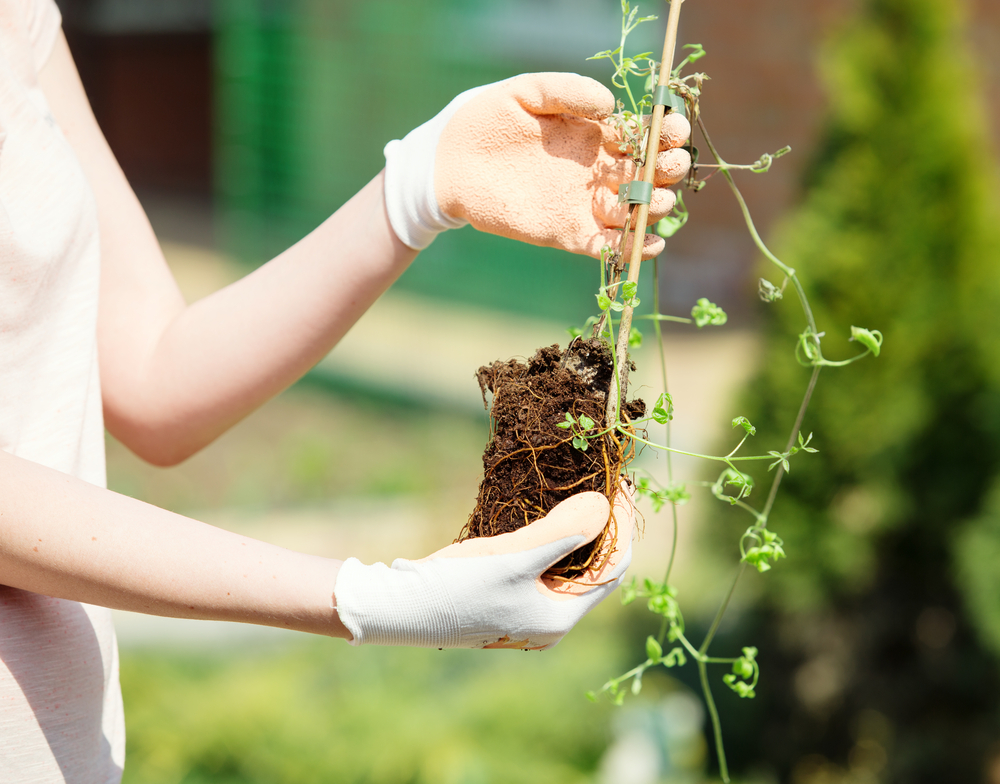
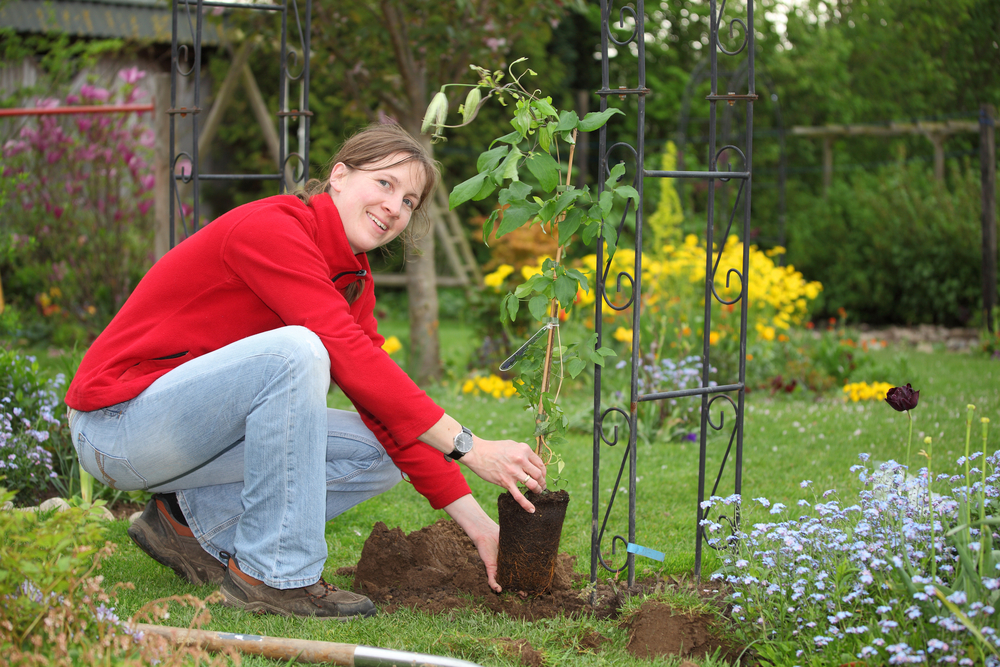
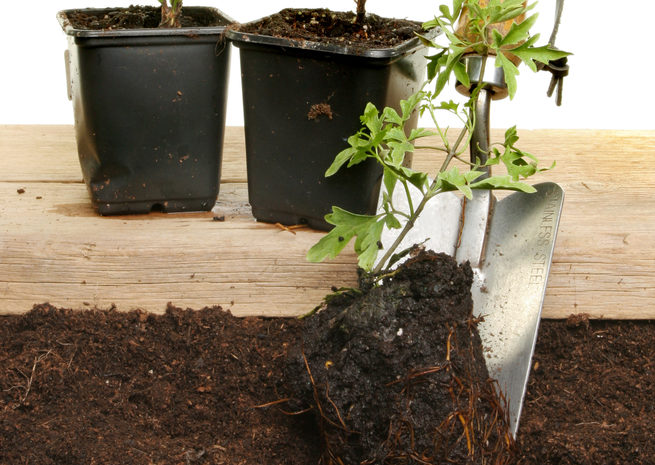
Finding that “Goldilocks” zone for moisture is key. If the roots get too dry, you’ll notice way fewer blooms. On the flip side, soggy soil is a recipe for disaster; standing water can lead to root rot or nasty diseases like the dreaded Clematis wilt. To keep things balanced, I always recommend adding a drainage layer of gravel or grit at the bottom of the hole when you’re planting.
Winter Protection is a Must
Not every variety is naturally winter-hardy when a real cold snap hits. Unless you’re growing your Clematis in a container that you can move, you’ll want to give it a good pruning before the frost sets in. Most importantly, protect the root zone! Cover the ground around the base with a thick layer of evergreen boughs (like fir or spruce) or a generous helping of bark mulch to keep those roots tucked in for the winter.