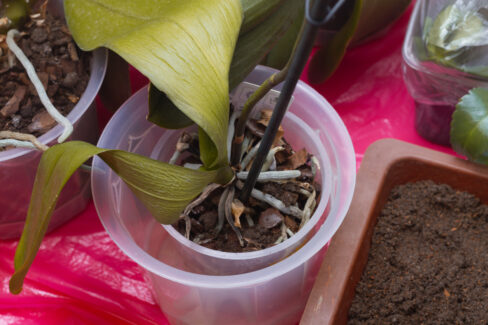
Exotic orchids are absolute showstoppers, mainly thanks to those stunning, vibrant blooms that steal the spotlight during their flowering season. If you treat them right, you can keep those flowers looking great for a long time and encourage them to bloom again and again. On the flip side, a few common mistakes can cause your orchid to go downhill fast. The good news? Most of these issues are totally preventable!
Signs Your Orchid is Struggling
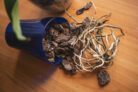
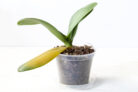
A happy, healthy orchid usually has shiny green leaves, firm aerial roots, and—during its blooming phase—a strong flower spike. If your orchid is feeling under the weather, you’ll notice a few red flags:
- It starts dropping leaves or they turn yellow.
- A large number of the roots look dried out or shriveled.
Why Orchids Fail
When an orchid loses its mojo, it’s usually down to a couple of common hiccups in its care routine. The biggest culprits are:
- Picking the wrong spot in your house.
- Getting the watering schedule wrong.
How to Keep Your Orchids Thriving
Giving your orchid the right TLC is the secret to seeing that gorgeous growth. You’ll want to place your orchid in a bright, warm spot. A windowsill facing east or west is usually the “Goldilocks” zone—not too much sun, not too little.
Watering is where most plant parents trip up. Both “bone-dry” soil and “soggy feet” (standing water) are major no-nos that can lead to your plant’s demise. Check out our guide on watering orchids to get it just right.
Also, remember that these are tropical beauties! They love humidity—ideally at least 60%. To keep them happy, give the leaves and aerial roots a regular misting with lukewarm, filtered water.
The Best Soil for Exotic Orchids
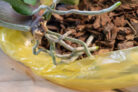
In their natural habitat in the tropical rainforests, most orchids are “epiphytes,” meaning they actually grow on trees or rocks rather than in the ground. Because of this, standard potting soil is a huge mistake; it’s too dense and will suffocate the roots. Always use a specialized orchid bark or substrate to keep them breathing.
Post-Bloom Care
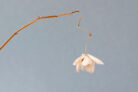
What you do after the blooming season ends sets the stage for the next round of flowers. Most species head into a dormant phase once the flowers drop, which can last anywhere from a few days to several months depending on the variety.
Want to jumpstart new growth? Try giving your orchid a little “cold shock.” Move it to a spot that’s about 5 degrees cooler than its usual home, and hit the pause button on watering and fertilizer. That slight temperature dip usually signals the plant to start pushing out new shoots after a few weeks.