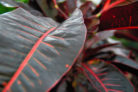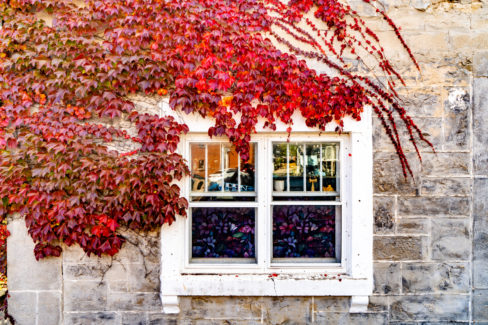
We usually think of ivy as being green year-round, from January through December. Sure, some varieties show off with white or yellow variegated patterns, but seeing your ivy turn red can be a bit of a shock! While there’s no denying that a crimson-hued vine looks absolutely stunning, you might be wondering: is my plant actually okay?
Cold Weather: The Main Trigger
Some ivy varieties start changing their “outfit” as soon as the temperature drops. If you see this happening, don’t panic—it’s not frostbite! In fact, it’s quite the opposite. Ivy varieties that turn red during the colder months are typically some of the most winter-hardy types out there. It’s just their way of hunkering down for the season.
Too Much Sun Exposure
Most ivy loves the shade or at least a spot with partial shade and gentle morning or evening sun. It’s usually only when the plant reaches its mature stage that it can handle more direct sunlight. If a younger, more sensitive ivy gets blasted by too much sun, the leaves might turn red as a reaction. A great way to tell if sun is the culprit? Check the leaves in the shade—if they’re still green while the exposed ones are red, you’ve found your answer.
Nutrient Deficiencies (A Rare Guest)
Ivy is a pretty low-maintenance guest and doesn’t need much to thrive. If your ivy is planted outdoors in a garden bed, you rarely ever need to fertilize it. Because of this, a red tint caused by a lack of nutrients is pretty rare. However, if your soil is extremely poor or has become totally depleted over the years, it can happen. If you suspect your soil is the issue, give your ivy a boost of ripe compost in the spring. That should keep it happy for quite a while!
The Science Behind the Red
So, what’s actually happening inside the plant? Ivy contains pigments called anthocyanins. These are the same pigments responsible for turning ivy berries dark purple and eventually black. When these pigments bond with sugar molecules inside the leaves, the ivy takes on that beautiful red glow.
Ivy Varieties with “Red Potential”
If you’re looking to cover a house wall or a stone wall and want that dramatic color shift, these varieties are known for their ability to turn red:
- Artropurpurea
- Golden Ingot
- Harrison
- Nussloch
- Kobby
- Steinweiler
- Woerner
Quick Tip:
If your ivy is turning yellow or brown, that’s usually not a natural color change. Most of the time, waterlogging (soggy roots) is to blame. However, it could also be a sign of a fungal infection or pests. In those cases, you’ll want to jump in and help your plant out as soon as possible!