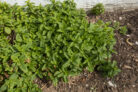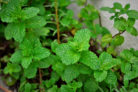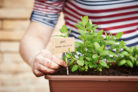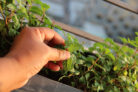
Whether your mint is stretching its roots out in the garden or cozying up in a container, this herb is surprisingly picky about its living situation. If you understand what makes it happy, you’ll be rewarded with a massive harvest of fragrant sprigs. If not? Well, you might want to keep reading.
Skip the full sun
We usually give our herb gardens the sunniest spot in the yard. But while Mediterranean herbs like rosemary or thyme love to soak up the rays, mint is a bit more delicate. Too much direct sun can actually scorch the leaves, leading to brown spots. When you’re planting your mint, aim for these conditions:
- A warm spot in partial shade.
- Access to gentle morning or evening sun only.
- This goes for potted mint on a balcony, too!
Keep it breezy but protected
Mint likes a little airflow—whether it’s in a garden bed or a pot—because it helps the leaves dry off quickly after a rainy day. However, you don’t want it sitting in a wind tunnel. Make sure the location offers some protection from heavy winds and downpours.
Pro Tip:
Try planting mint under tall deciduous trees. They provide the perfect dappled light and act as a natural umbrella against heavy rain.
Getting the soil just right
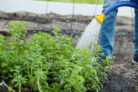
Mint thrives in soil that stays consistently moist and fresh. It needs to hold onto water without becoming a swampy mess, so a good balance of clay and sand is ideal. If your garden soil is lacking one or the other, mix some in before you plant.
To get that growth exploding, mix in some mature compost. It provides a steady stream of nutrients without the risk of over-fertilizing. This is key, because too much fertilizer leads to “soft” stems that lack flavor and are more prone to diseases and pests.
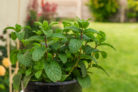
For potted mint, use a mix of herb potting soil, sand, and compost. Just make sure the pot has drainage holes and a layer of gravel or clay pebbles at the bottom to prevent root rot.
Plan for a change of scenery
Since mint is a perennial, it can live for a long time—but it doesn’t want to stay in the exact same spot forever. Garden mint should be moved about every three years to a patch of ground where no mint has grown recently.
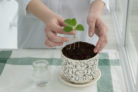
Potted mint needs fresh soil every two years (and a bigger pot if it’s getting cramped). The good news? Potted plants can move right back to their favorite summer “parking spot” once they’ve been refreshed.
Winter locations
Most mint varieties are quite cold-hardy and can stay right in the garden bed all winter long without any extra help. Potted plants can also stay outside if you give them a little insulation, but they’re just as happy spending the winter in a garage or basement.