Ivy (botanically known as *Hedera*) is a real powerhouse in the garden, but to fuel that famous rapid growth, those roots need a steady supply of H2O. However, before you grab the hose and go overboard, take a beat—drowning your ivy can actually do more harm than good.
Keep the Moisture Consistent
Because ivy grows so fast and keeps its leaves all year round, it needs a reliable water source. How deep you can let the soil dry out really depends on the root system. Young plants have shallow roots and need moisture right near the surface. As the plant matures, the root depth can reach up to 24 inches (60 cm). Just keep in mind that potted ivy will always dry out much faster than ivy in the ground.
While ivy loves a nice shady spot, it’s pretty adaptable and can handle a sunny location too. Just remember: more sun means the soil dries out faster, so you’ll need to water more frequently. A thick layer of mulch around the base is a lifesaver here—it helps lock in moisture and keeps the roots cool.
Avoid “Soggy Feet” at All Costs
The golden rule for ivy is that it should never sit in standing water. If the roots stay waterlogged for too long, they’ll rot. Whether you’re using a window box or a garden bed, the soil needs to be loose and well-draining. If your soil is heavy clay, try mixing in some sand or fine gravel before planting. For containers, make sure there are plenty of drainage holes and consider adding a layer of pebbles at the bottom.
Quick Watering Cheat Sheet
- Potted ivy: Water regularly as soon as the top layer of soil feels dry.
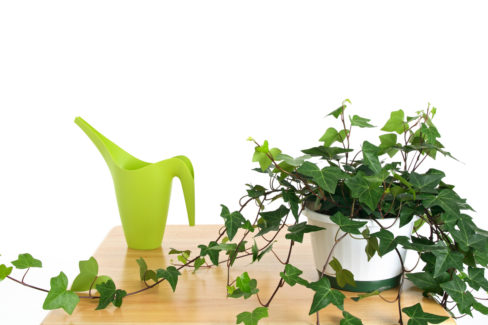
- Drainage: Always empty the saucer under your pots after watering.
- Young garden ivy: Give it extra attention and frequent water for the first few years.
- Established ivy: Older plants are pretty self-sufficient and usually only need a drink during long dry spells.
Pro Tip:
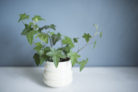
If your indoor ivy is looking crispy because you forgot to water it (it happens to the best of us!), try a “dunk bath.” Submerge the pot in a bucket of water until the root ball is fully saturated. It’s often the best way to save a dying plant.
Don’t Forget Winter Watering
Ivy doesn’t really grow much in the winter, but since it’s evergreen, it’s still losing moisture through its leaves. Indoor plants will still need a light watering schedule throughout the colder months.
A common mistake is thinking that outdoor or balcony ivy is safe just because it’s hardy. Even in winter, ivy can actually die from thirst if there hasn’t been much rain or snow. If the ground isn’t frozen and it’s been a dry stretch, go ahead and give your ivy a drink on a mild day.