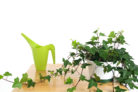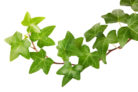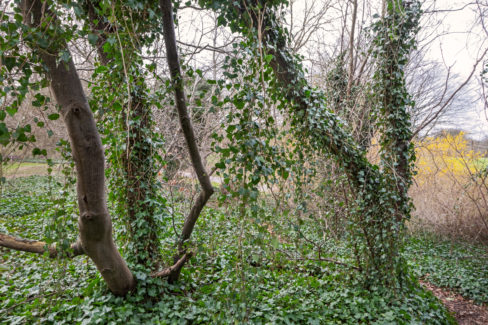
Evergreen, hardy, and incredibly versatile—English Ivy is a true garden MVP. Whether it’s scaling a backyard fence, spilling over a balcony planter, or brightening up your living room as a houseplant, this vine can grow just about anywhere! But before you go planting it just any old place, there are a few things you should know about light and sun exposure to keep your ivy happy.
Ivy’s Roots: The Shady Forest Floor
To understand what ivy needs, you have to look at its origins. In the wild, ivy is a forest dweller. You’ll find it carpeting the shady ground or hitching a ride up a tree trunk under a thick canopy of leaves. Because of those woodland roots, here’s what works best in your own yard:
- Spots under trees or large shrubs are perfect.
- It’s a great choice for north-facing walls.
- A little morning or evening sun is totally fine.
- On the balcony, stick to shady or semi-shady spots.
Keeping your ivy in the shade does more than just prevent sunburn and those dreaded brown leaves. It also helps the plant stay hydrated during the winter. When it freezes, sun-exposed ivy is much more likely to dry out.
Older Plants Can Handle the Heat
As ivy matures—especially once it reaches its adult phase—it becomes much more sun-tolerant. However, since ivy is notoriously difficult to transplant once it’s established, you’ll want to pick the right spot before planting. If you really want it in a sunny area, just make sure to provide some artificial shade while the plant is young.
Quick Tip:
The sunnier the spot, the thirstier the plant! Keep a close eye on the soil moisture and water your ivy whenever things start looking dry.
Variegated Varieties Crave a Little Glow
If you’ve got a variety with those beautiful white or yellow variegated leaves, they need a bit more light to keep their color. If they stay in deep shade, they might turn solid green. The “sweet spot” for these guys is a location that gets about four hours of gentle morning or evening sun.
Soil Requirements: Keep it Breathable
Ivy isn’t too picky about soil, but it does have one dealbreaker: soggy feet. It hates standing water. Make sure your garden soil is well-aerated and loose. If your soil is heavy clay, mix in some sand or gravel to help it drain. As for nutrients? Ivy isn’t a heavy feeder. Unless your soil is extremely poor, you can usually skip the fertilizer altogether.
Ivy Indoors
When grown as an indoor plant, ivy actually handles light a bit better than its outdoor cousins. In fact, if you put it in a corner that’s too dark, the vines can get “leggy,” with long gaps between the leaves that make it look a bit sparse. Just be careful to keep it out of harsh, direct midday sun.
One thing to watch out for indoors is dry air, especially near a heater. Dry conditions are an open invitation for pests like aphids and spider mites. To keep them away, try using a humidifier, placing a bowl of water nearby, or giving your plant a refreshing misting every now and then.