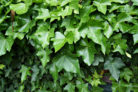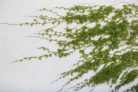
When it comes to ivy, roots do a whole lot more than just sit in the dirt. Unlike most plants you’ve got in your garden, ivy has a dual-purpose root system. It’s got one set of roots for dinner and another set for climbing! To keep those vines reaching for the sky, ivy has evolved two distinct types of roots to get the job done.
Roots for Nutrition
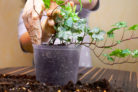
Just like any other plant, ivy needs a way to soak up water and nutrients. Its primary root system reaches deep into the soil, which also keeps the plant firmly anchored in the ground. As the plant gets older, these roots go deeper and deeper—we’re talking up to 24 inches deep. Because of this, an established ivy plant in your garden bed can usually fend for itself when it comes to water. You really only need to water it regularly during that first year after you’ve propagated and planted it.
Roots for Climbing
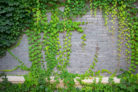
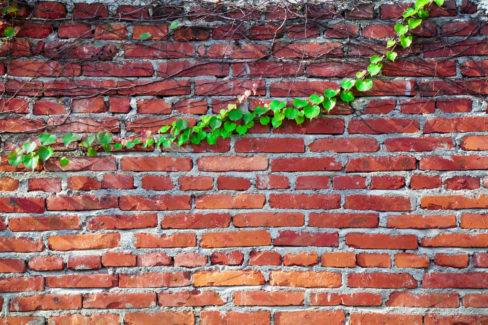
This is where things get interesting. Ivy also grows what we call aerial roots (or “cling” roots). These are countless tiny root strands that grow along the woody vines. Think of them like little organic suction cups that lock onto your trellis or support system. This is how ivy manages to scale stone walls, sides of houses, trees, and fences. But they aren’t just for climbing; if the ivy is growing along the ground, these roots will latch onto the soil, send out new runners, and help the plant spread as a thick groundcover.
You won’t find any ivy without aerial roots, but the plant is smart—it only grows them when it needs them. The vine has to actually feel a suitable surface before it starts producing those “suction cups.” Just a heads-up: the surface can’t be too smooth, and it shouldn’t be too bright, either. Since ivy loves the shade, it’ll actually grow away from surfaces that reflect too much light.
Pro Tip:
If you want to train ivy on a chain-link fence, you’ll need to weave the first few vines through the mesh by hand. Chain-link is way too smooth for the roots to grab onto, so those first hand-woven vines will act as the “anchor” for the rest of the plant to grow on.
Root Challenges to Watch Out For
If you’re planning to grow ivy on a wall or the side of your house, make sure the structure is in tip-top shape. If there are any tiny cracks, those roots will find them, wiggle inside, and expand—which can lead to some serious structural damage over time. And let me tell you, removing ivy is no walk in the park because of those stubborn roots:
- Aerial roots stay stuck to the surface even after the vine is gone.
- You’ll usually need a stiff brush and some elbow grease to scrub them off walls.
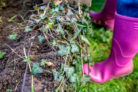
- The deep ground roots have to be completely dug up.
- If you leave even a little bit of root behind, a new plant can sprout right back up.
Quick Tip:
When you’re cleaning up, toss any vine clippings with aerial roots straight into the trash. If you put them in your compost pile, there’s a good chance they’ll just start growing all over again!