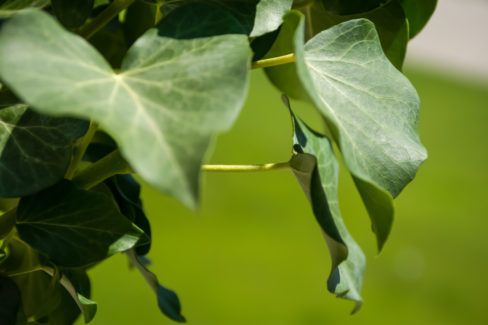
We all know that sunlight is the fuel for those beautiful green leaves, but when it comes to ivy, the relationship with the sun is… well, complicated. Knowing when your ivy wants to soak up the rays and when it needs to hide in the shade is the secret to a thriving plant.
Young Ivy is a Bit “Sun-Shy”
In the world of ivy, “young” refers to any plant that hasn’t reached its adult phase yet. This usually takes about ten years. Until then, the plant focuses on sending out long runners, acting as either a groundcover or a climber if you give it a trellis to grab onto.
During these years, ivy is happiest in shady spots. This is where it grows the fastest, just like you’d expect. Full sun, on the other hand, is tough on the youngsters. Too much direct light can lead to brown leaves, and you might notice the plant drying out quickly.
Old Ivy Loves the Sunshine
Once ivy hits its “adult” stage, things change. This is when it starts its first blooming season and produces berries. Maybe it’s the maturity, but suddenly, the plant actually enjoys the sun! As long as it stays well-watered, adult ivy can even handle full-sun locations. It looks absolutely stunning when paired with climbing roses or clematis.
Quick Tip:
Keep in mind that ivy in a sunny spot needs water year-round, not just in the summer. Since it’s an evergreen, it loses moisture even on sunny winter days. Make sure to water it regularly during frost-free periods.
The “Transplanting” Dilemma
Since young ivy likes shade and old ivy likes sun, you might think about planting it in the shade now and moving it to a sunny spot later. Unfortunately, ivy isn’t a big fan of that plan. Its root system can reach depths of up to 24 inches (60 cm), and it doesn’t handle being moved very well once established.
Your best bet is to choose a partially shaded spot with morning or evening sun right from the start. This keeps the plant happy through both its youth and its adult years. Of course, life is much easier with potted ivy on a balcony—you can just move its “mobile home” whenever you like!
Quick Tip:
If you have young ivy in a sunny garden bed, try to provide some artificial shade during the heat of the midday sun.
Why Sunlight Matters for Style
Sunlight isn’t just about growth; it’s also about looks! Some varieties turn a beautiful shade of red when exposed to strong sun. Plus, if you have a variegated variety (those pretty multi-colored leaves), the plant actually *needs* sun to maintain its pattern:
- It needs daily sun exposure.
- About four hours of sunlight a day is the “sweet spot.”
- Aim for at least two hours minimum.
- Stick to morning or evening sun.
- Avoid direct midday sun, as it’s often too intense and can scorch the leaves.
Note:
While indoor ivy needs plenty of light, try not to place it directly against a scorching hot, south-facing window.