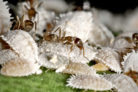
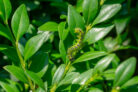
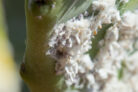
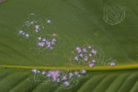
If you’ve noticed a thin, fuzzy white coating on your pine tree and it’s looking a little under the weather, you might be dealing with a woolly aphid infestation. Don’t panic! Here is the lowdown on how these pests affect your tree and, more importantly, how you can kick them to the curb for good.
What Exactly Are Woolly Aphids?
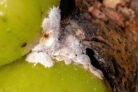
Woolly aphids are actually a type of scale insect, and they come in quite a few varieties. Depending on the specific species, they leave behind a fuzzy residue in different colors on your plants. These tiny critters range in size from about 1 to 12 millimeters. Usually, they start making themselves at home on pines and other conifers right around springtime. They feed on the tree’s sap and secrete a sticky substance called honeydew. This “dew” is like a magnet for other pests and can even lead to fungal infections on your pine.
Here are the tell-tale signs of an infestation:
- White, fuzzy patches on the needles
- Unusual yellowing of the foliage
- Needles curling or dying off
- The appearance of black sooty mold
The good news? Healthy pines are usually pretty resistant to these pests. If your tree is struggling, it might be missing something or getting a bit too much of the wrong thing. For instance, a lack of sunlight or using fertilizers with way too much nitrogen can actually roll out the red carpet for these bugs.
How to Get Rid of Woolly Aphids
Sometimes it looks like the aphids have just vanished on their own, but don’t let them fool you! They often just go into hiding during certain times of the year, only to come back in full force the following spring. If you want them gone for real, you’ve got to take action.
First things first: try to isolate the affected tree if possible. Make sure there’s enough space between it and your other plants so the branches aren’t touching. If things are looking crowded, you might need to prune some branches back. Next, grab a cloth and soak it in a little rubbing alcohol. Use the cloth to wipe the aphids right off the pine needles. If a branch is totally covered, it’s best to just remove it entirely. To finish things off, give your pine a good, deep watering with soft water (low lime content).