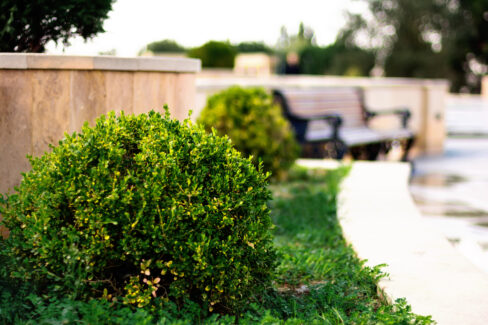
The world of gardening is always changing. It’s funny—boxwood used to be considered one of the most “set it and forget it” plants out there. But that all changed in the early 2000s when a new disease and a nasty pest started making the rounds. Will 2021 bring even more challenges? Only time will tell, but for now, we’ve got our hands full with the “usual suspects.”
Old Challenges in a New Year
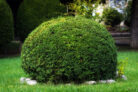
So far, we haven’t seen any brand-new diseases or pests pop up in 2021. Honestly, that’s a relief, because boxwoods are already going through a rough patch. Boxwood blight has been a major threat since the turn of the millennium, and it isn’t going anywhere. Then there’s the box tree moth, an invasive species from East Asia that has been wreaking havoc since 2015. If you own a boxwood, you need to know how to handle these two threats, or you might find yourself with a dead shrub on your hands.
Boxwood Blight (Triebsterben)
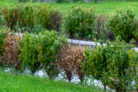
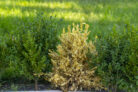
The scientific name for the fungus behind this is *Cylindrocladium buxicola*. But as gardeners, we don’t care much about the name—we just care about our plants! Blight is scary because it’s often hard to save a plant once it’s infected. Often, you have to dig it up and dispose of it entirely. However, it’s not all doom and gloom. There are some great ways to prevent and fight it:
- Choose more resistant varieties, like ‘Herrenhausen’ or ‘Faulkner.’
- Plant them in sunny spots with plenty of airflow.
- Make sure you water and fertilize properly to keep the plant strong.
- Always water from the bottom; try to keep the leaves dry.
- Avoid pruning during warm, humid weather.
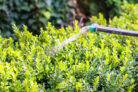
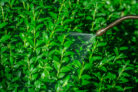
- Use preventative fungicides if necessary.
- Prune back any infected sections immediately.
- Try dusting the plant with algae lime (seaweed meal).
The Box Tree Moth (Buchsbaumzünsler)
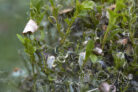
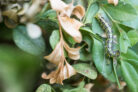
This little moth lays its eggs in the boxwood, and once those green-patterned caterpillars hatch, they get to work. They hide deep inside the shrub and eat their way out. They are so hungry and numerous that they can strip a boxwood bare almost overnight! You have to act fast. If you see caterpillars, they’ve got to go. Here’s how to deal with them:
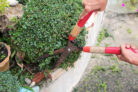
- Give the boxwood a heavy prune.
- Pick the caterpillars off by hand (tedious, but effective!).
- Make sure to check deep inside the crown of the plant.
- Try using a leaf blower or a pressure washer to knock them off the branches.
- The “trash bag trick”: Cover the plant with a black plastic bag for a few hours on a sunny day. The trapped heat kills the caterpillars.
To prevent an infestation in the spring, you can cover your boxwoods with fine netting to keep the moths from laying eggs. Pheromone traps are also a great way to monitor if the moths are active in your neighborhood.
Quick Tip:
If these DIY methods aren’t cutting it, look for biological insecticides at your local garden center. They are very effective at getting a caterpillar plague under control.