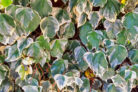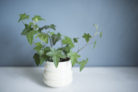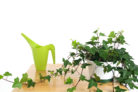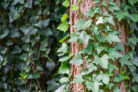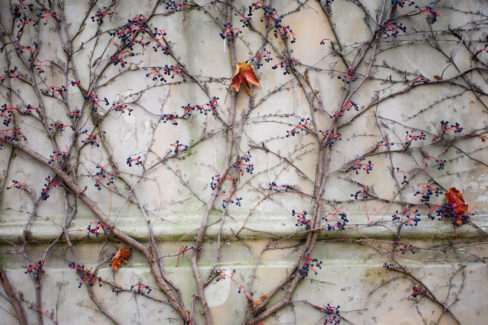
We all love English Ivy for that lush, green “wall of leaves” look, right? But even though ivy is naturally thick and hardy, it can’t afford to lose too many leaves. If your plant starts dropping foliage over a long period, you’ll soon be left with nothing but bare, woody vines. To save your ivy, you’ve got to play detective and figure out exactly what’s bothering it.
Common Culprits for Leaf Loss
It’s totally normal for ivy to shed a few old leaves here and there to make room for new growth. However, if it’s losing leaves by the handful and looking a bit “naked,” it’s time to check for these common issues:
- Bone-dry soil
- Waterlogging (soggy roots)
- Too much direct sunlight
- Over-fertilizing
- Pests or diseases
Pro Tip:
Always pick up fallen leaves from the soil surface. If they sit there and get wet from rain or watering, they can start to rot and spread fungus to the rest of the plant.
Bone-Dry Soil
It might seem like the most obvious reason, but underwatering actually isn’t the most common cause of leaf drop—except in the winter! A lot of us associate watering with the scorching summer heat and forget that ivy is an evergreen. If you have a dry winter without much rain or snow, your ivy still needs a drink on days when the ground isn’t frozen.
Soggy Soil and Overwatering
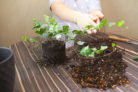
On the flip side, “wet feet” is a much more frequent problem. This happens when you’re watering too often or if the pot doesn’t drain well. If the soil feels like a swamp, you need to repot your ivy immediately. Check the roots while you’re at it—hopefully, they’re still firm and haven’t started to rot. Make sure your new pot has plenty of drainage holes, and try to avoid letting it sit in a saucer full of water. If you do use a saucer, empty it out right after watering.
Pro Tip:
Whether your ivy is in a pot or in the garden, wait until the top inch of soil feels dry to the touch before you reach for the watering can.
Too Much Light
Young ivy actually prefers the shade over the sun. If it’s getting blasted with too much bright light, it might start dropping leaves in protest. If it’s a houseplant, move it away from the window or use a sheer curtain. Outdoor ivy is a bit trickier to transplant once it’s established, but if the spot is just too sunny, it might be worth a shot to move it.
Over-Fertilizing
Outdoor ivy is pretty low-maintenance and rarely needs compost or extra food. Potted ivy, however, usually gets fed every two weeks during the growing season. Here’s the secret most people don’t know: the dosage recommended on the fertilizer bottle is usually way too strong for ivy! Use half the recommended amount at most. Also, if you repot your ivy with fresh soil in the spring, you should hit the pause button on fertilizing for several weeks.
Pests and Diseases
Pests and diseases are actually the least likely reasons for leaf loss, but they do happen. Take a close look at the undersides of the leaves to see if you spot any spider mites or aphids. If you see little critters, treat them right away. For outdoor plants, keep an eye out for root-munching larvae like vine weevils. Ivy can also fall victim to fungal issues like leaf spot or bacterial canker.