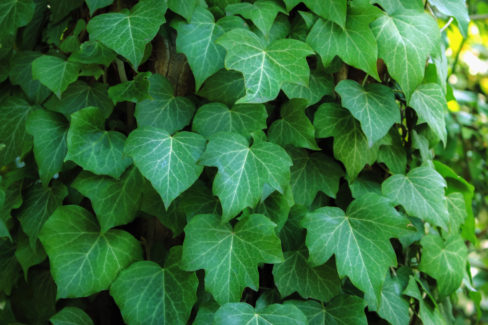
Evergreen ivy is a real powerhouse when it comes to propagation. If it were up to the plant, it would be happy to sprout new babies all year round! However, since we have to deal with unpredictable weather, there are definitely certain times of the year when a new ivy plant will have a much better shot at thriving.
Propagating Ivy Directly in Your Garden
If you’re looking to grow ivy from cuttings directly in your garden beds—maybe to use as a lush groundcover—timing is everything. Your best bet is to do this right before the new growth starts, typically from late February through late March.
If you’re planning on “layering” (where you pin a stem to the ground while it’s still attached to the parent plant), the summer months are perfect, though early spring works too. The shoot will have until late fall to establish roots where it touches the soil. Just a heads up: wait until the following spring before transplanting your new plant to its permanent home.
Rooting Ivy in Water or Starting in Pots
Theoretically, you can take cuttings to root in a glass of water or small pots at any time of year. However, I wouldn’t really recommend doing this in the winter. Even though your house is nice and warm, there just isn’t enough natural light for the plant to really take off. The sweet spot is between April and September. Most pros actually prefer September for this.
Pro Tip:
Even if you plant your cuttings toward the end of the season, they’ll start growing roots within just a few days. However, don’t plant these youngsters outside just yet! They aren’t hardy enough to survive a frost. Let them overwinter indoors for their first year and move them outside permanently the following March.
The Best Time for Sowing Seeds
Once an ivy plant hits its “adult phase”—usually after about ten years—it will treat you to its first blooming period. After the flowers fade, small berries develop over the winter.
- Harvest the berries in March or April and clean the pulp off the seeds.
- Follow this with a “stratification” period (chilling the seeds) for 4–6 weeks.
- Once that’s done, you’re ready to sow (usually late April to late May).
A quick safety note:
Every part of the ivy plant is highly toxic, but the berries have the highest concentration of toxins. Make sure to store them well out of reach of kids and pets. Generally speaking, it’s always a good idea to think carefully about where you choose to cultivate ivy in your yard!