We all know ivy as that reliable go-to plant for greening up the darkest corners of the garden. But even this tough climber needs a little light to show off its beautiful foliage. Exactly how much light your ivy needs depends on a few things—mainly the color of its leaves and whether you’re growing it indoors or out.
Ivy isn’t a fan of direct sun
Let’s get one thing straight right off the bat: ivy generally hates baking in the full sun! If you do have a plant in a super sunny spot, you’re going to be watering it constantly just to keep the soil from bone-dry. Even then, it’s a gamble whether the plant will stay healthy. Without enough moisture and shade, ivy often develops ugly brown spots on its leaves or might dry out completely.
- Pick a spot in the shade.
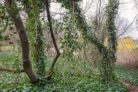
- Underneath trees or large shrubs is perfect.
- North-facing garden beds or balconies are ideal.
Light is good, but keep it mellow
Even a “shady” spot isn’t pitch black; there’s always a little ambient light filtering through. Sometimes, ivy grows so vigorously that it actually blocks the light from its own older vines. If your plant is getting too thick for its own good, give it a trim in the summer to thin out the growth.
Ivy is also perfectly happy in partial shade—basically a spot with a bit more light. Gentle morning or evening sun is totally fine since it doesn’t have that intense midday heat.
Quick Tip:
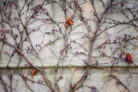
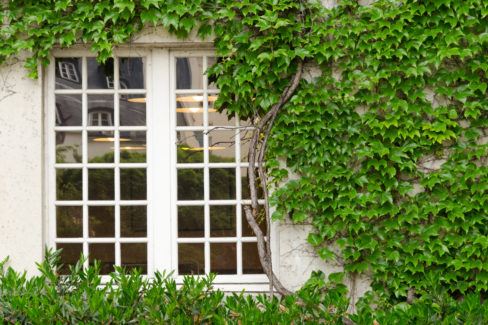
If you’re planning to grow ivy up a house wall or stone wall, try to pick one with a darker finish. White surfaces reflect a ton of light, which ivy doesn’t really like. In fact, it might refuse to climb a bright white wall because it won’t develop those aerial rootlets properly.
Variegated varieties need a bit more “glow”
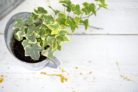
If you’re growing ivy with variegated (multi-colored) leaves or bright lime-green foliage, those plants actually need a bit more light to keep their colors popping. Pros usually recommend about four hours of light a day. Just remember the golden rule: stick to morning or evening sun to avoid leaf burn.
Indoor ivy can handle a bit more brightness
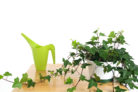
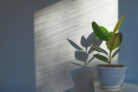
When you’re growing ivy as a houseplant, you have a bit more flexibility. You can let it trail in a darker corner or place it near a bright window. Just make sure the sun isn’t hitting the leaves directly. Also, keep an eye on the humidity—ivy hates dry indoor air. If it gets too dry, you might end up dealing with a pest infestation like aphids or spider mites.