Ivy is incredibly stubborn. Once it takes over a spot where it’s not wanted, getting rid of it feels like a never-ending battle. Just when you think you’ve finally won, a new vine pops out of the ground like it’s mocking you. It’s enough to make any gardener lose their cool! But before you reach for a bottle of Roundup, you should know that it’s definitely not the “easy fix” it claims to be.
Why Ivy is So Hard to Kill
If you want to truly kill off ivy, you have to remove every single trace of it from your garden bed. Here’s the deal: any little piece of vine with aerial roots or any bit of root left in the soil can sprout a brand-new plant. Getting every last bit out is a major challenge.
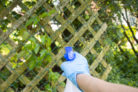
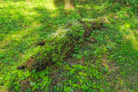
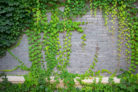
Ivy uses those countless tiny roots along its vines to glue itself to supports. It grips so tightly that pulling it off is a workout. It doesn’t matter if it’s climbing a wall, a trellis, a tree, or just crawling across the bare ground. When used as a groundcover, it can quickly turn into a weed because those vines root wherever they touch the dirt, creating endless new runners.
The Truth About Roundup
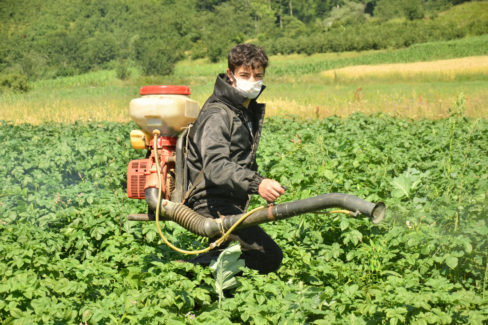
Since manual weeding doesn’t always work on the first try, people often recommend the chemical weedkiller Roundup. This brings us straight to the “G-word”: Glyphosate. While the manufacturer claims it’s perfectly safe, there are plenty of serious experts who warn about potential health risks. We have a lot of data on this stuff because it’s used on a massive scale in industrial farming worldwide.
Why Roundup Doesn’t Really Do the Job
Even if you decide to use Roundup, you’re likely only going to see a temporary, partial success. It usually only kills the leaves above ground. It can’t really penetrate down to the deep roots, which can reach up to 24 inches down. Before you know it, the ivy will be sprouting again. To actually finish the job, you’d still have to dig out the root system anyway.
Alternative Ways to Tackle Ivy
You can find organic ivy killers at the store, but just like the harsh chemicals, these usually only help with the parts of the plant you can see. At the end of the day, success comes down to patience and a little elbow grease.
- Cut back the vines.
- Pull out the roots.
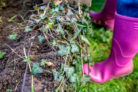
- Dig deep into the soil and sift through it.
- Don’t leave any plant debris lying around.
- Dispose of it immediately (the trash bin is best).
- Never put ivy on your compost pile!
Pro Tip:
Ivy is much easier to pull out of the ground when the soil is damp. Wait for a rainy day, or give the area a good soak with the garden hose before you start digging.